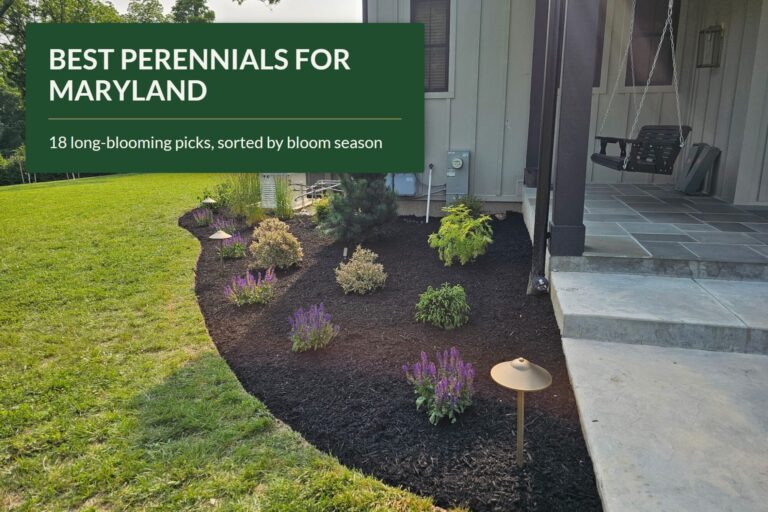
Best Perennials for Maryland: 18 Long-Blooming Picks Sorted by Bloom Season
18 long-blooming perennials for Maryland, from Rozanne geranium and catmint to Goldsturm and October Skies aster, sorted by when they start to bloom.
Read the guideResources · The Oakfield Journal
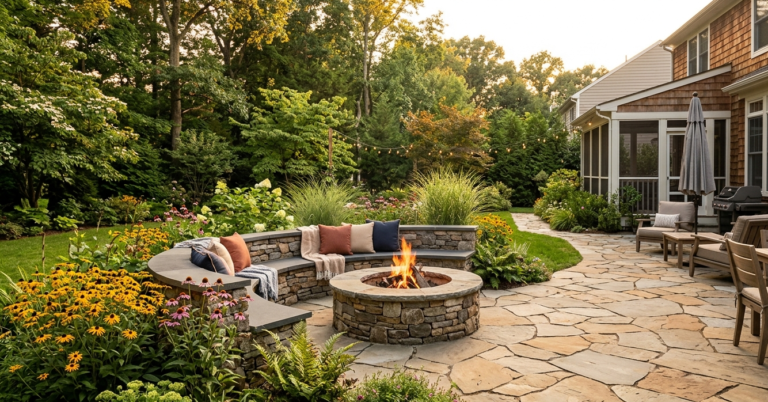
Plant picks, seasonal timing and design advice from Eric, our founder and lead designer, written for Maryland's clay soil, humid summers and freeze-thaw winters.

18 long-blooming perennials for Maryland, from Rozanne geranium and catmint to Goldsturm and October Skies aster, sorted by when they start to bloom.
Read the guideStart here
New to planning a landscape project? Pick your topic. Each guide walks through it from first questions to finished yard.
From a Pinterest board to a finished yard: how custom design and installation works, step by step.

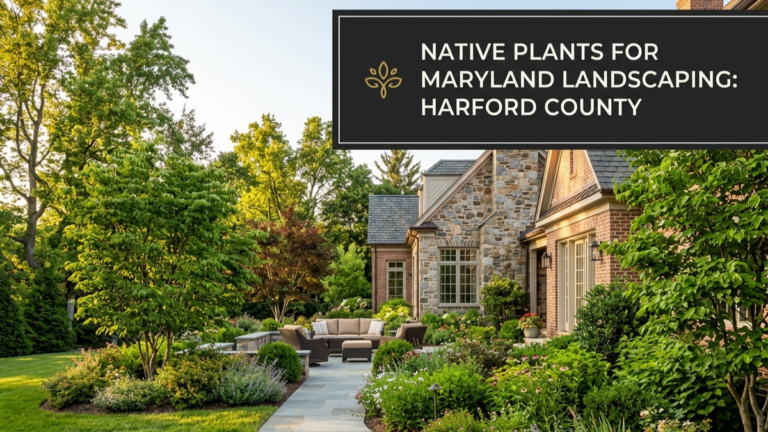
Natives that handle clay soil, humid summers and freeze-thaw winters without constant watering.

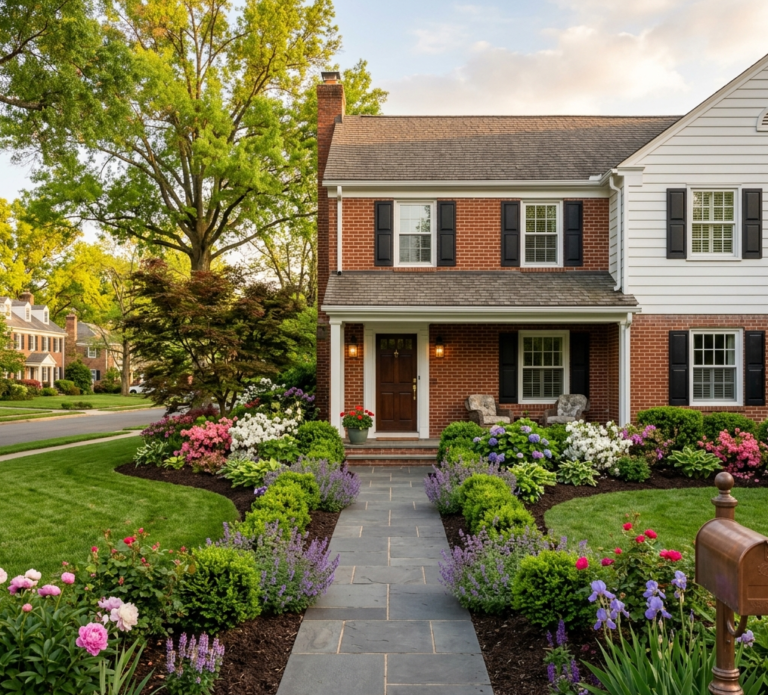
Where to start when a 10- or 15-year-old landscape has grown tired and dated.

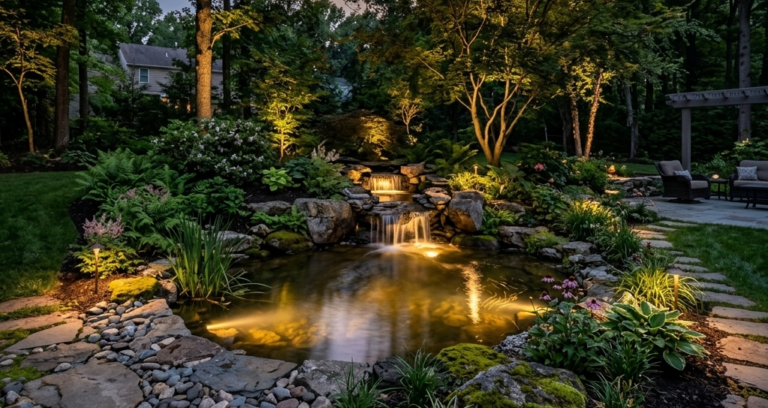
How water, lighting and trees turn a yard that doesn’t feel cohesive into one that does.

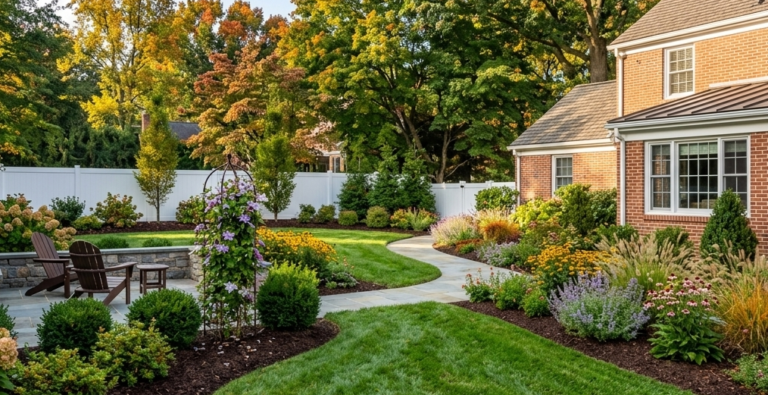
Year-round care that keeps a landscape investment from losing its shape.
Right now in Harford County
Get the beds ready before the first frost, protect what you’ve planted, and start noticing what isn’t working.
Beds, mulch and first plantings. Order mulch once with the calculator.
Open the mulch calculator
What to do after winter and when, including how to tell what’s dormant from what’s dead.

Natives that handle clay soil, humid summers and freeze-thaw winters without constant watering.

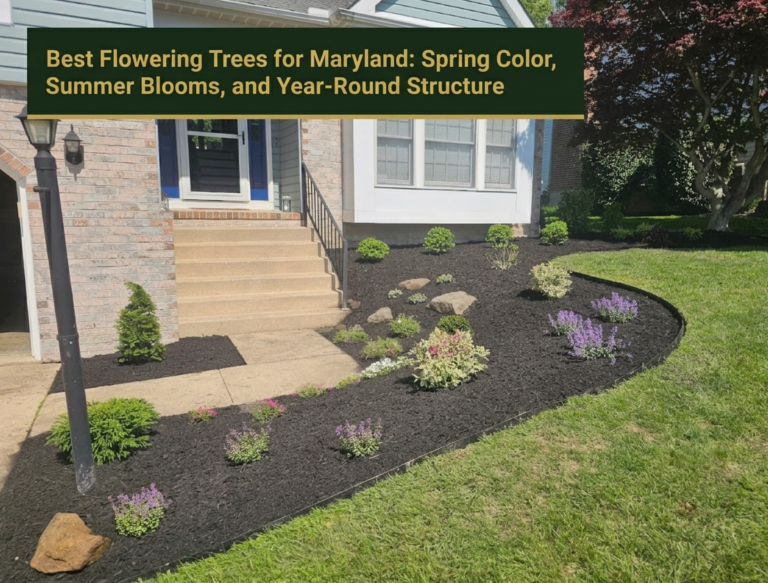
Redbud, dogwood, serviceberry and more, planted across bloom seasons from March magnolias to midsummer stewartia.
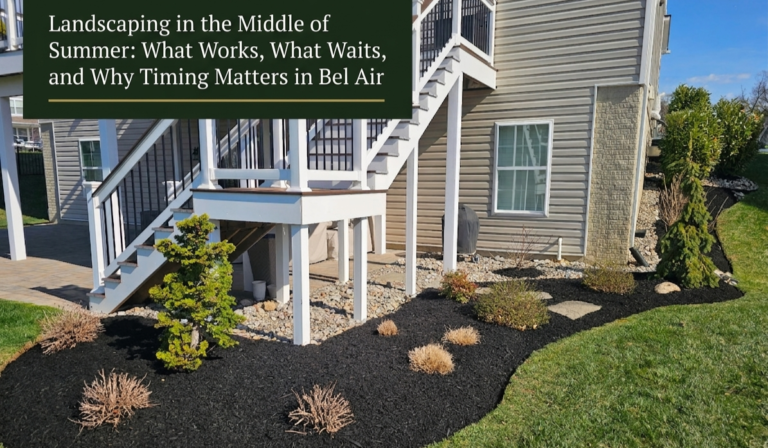
What works in the heat, what waits, and fixing the spots that flood after a storm.
See this month in the calendar
Too hot to plant? Some of that worry is warranted, and some of it costs people an entire season.

Why water sits in the low spot for days after a storm, and how to fix it.

Lighting that keeps the yard usable after sunset, right when you have time to enjoy it.
Leaves, cut-backs and winter protection, all before the first frost.
See this month in the calendar
Leaves, perennials and what to cut back or leave standing before the first frost.

Harsh winters, humid summers, spring freezes and fall deluges, and how to keep each from undoing the work.

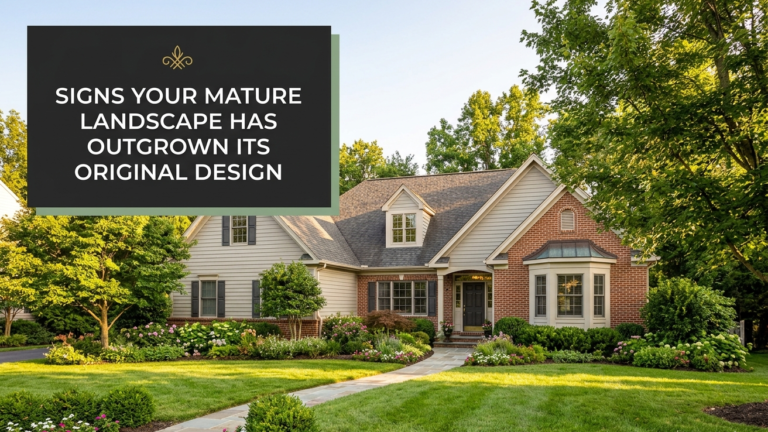
“Dwarf” shrubs over the windows and privacy trees grown into each other: the signs it’s time.
Walk the yard, make the wish list and book the design while the calendar is open.
Schedule your consultationA 10-point property walk, a wish list and a planning timeline, in one printable.

Forty companies call themselves landscapers. What each kind actually does, and which one your project needs.

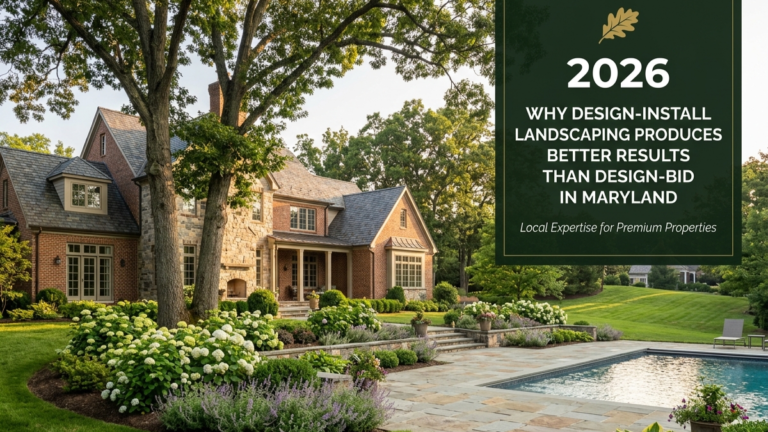
Designer first, then bids? Why one team designing and installing avoids the handoff and the budget surprises.
The journal

18 long-blooming perennials for Maryland, from Rozanne geranium and catmint to Goldsturm and October Skies aster, sorted by when they start to bloom.

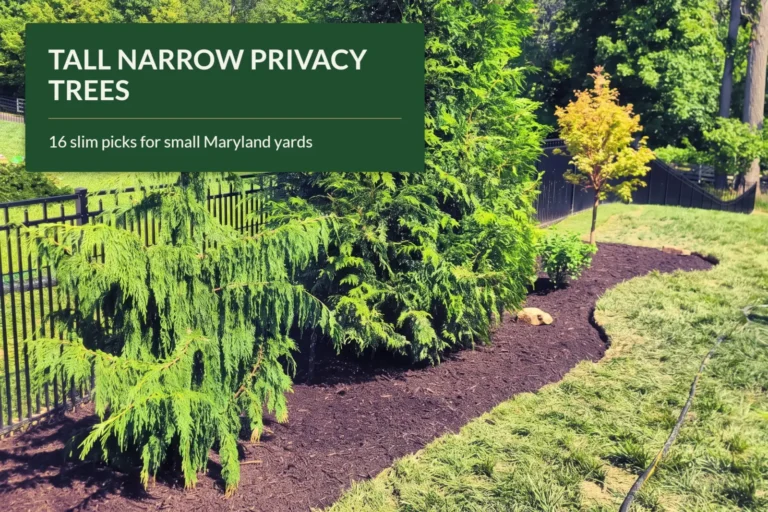
16 tall, narrow trees for privacy in small Maryland yards, from Sky Pencil holly and Kindred Spirit oak to columnar hornbeam, sorted by mature width.

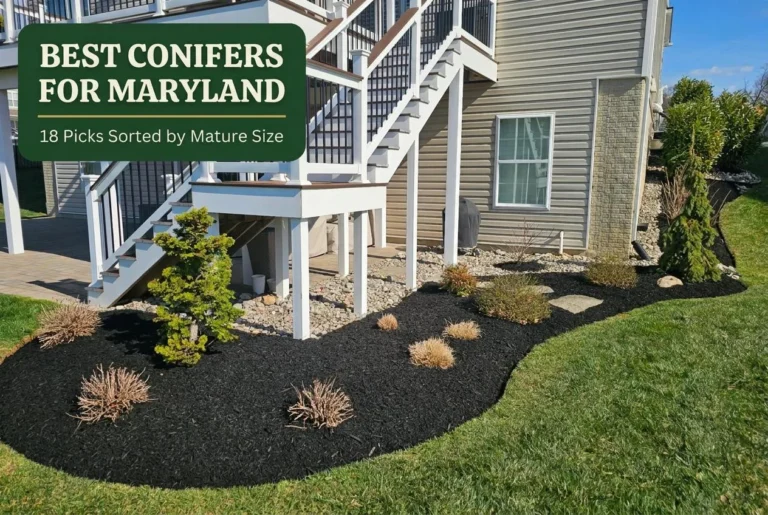
18 conifers that handle Maryland heat, humidity and clay, from blue Atlas cedar and loblolly pine to dwarf Hinoki cypress and Japanese plum yew.

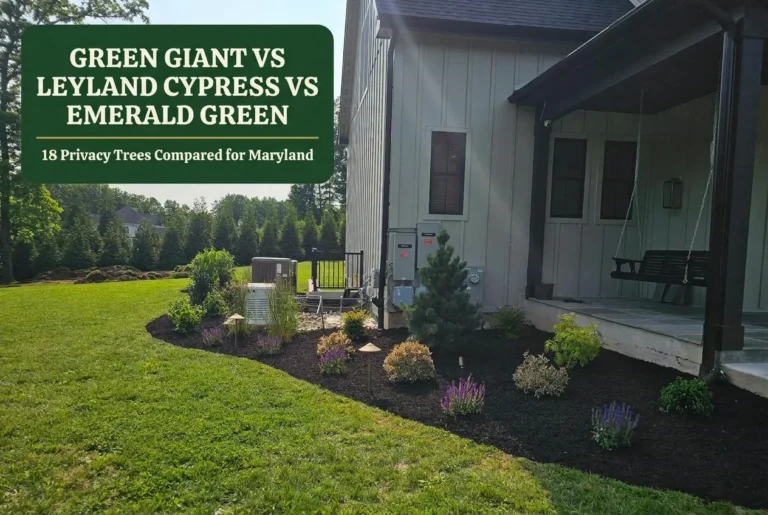
Green Giant, Leyland cypress and Emerald Green compared for Maryland clay and deer, plus 15 alternatives sorted by mature width, each with an honest caveat.

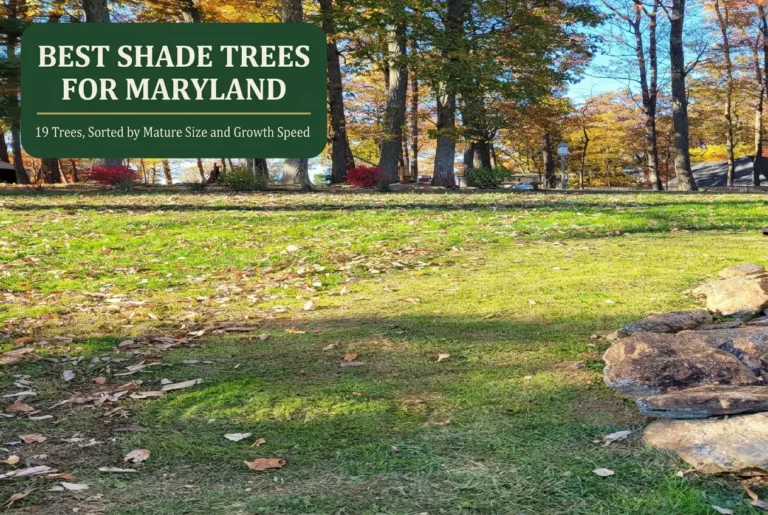
Willow oak, red maple, swamp white oak, American hornbeam and 15 more shade trees that perform on Maryland clay, sorted by mature size and growth speed, with an honest caveat…

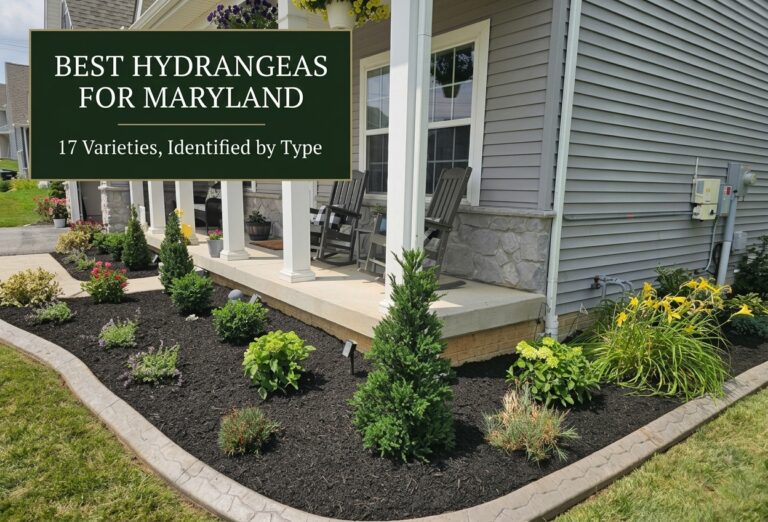
Panicle, smooth, oakleaf or bigleaf: which type suits your sun and shade, and which bloom reliably in part shade.

Green Giant, Nellie R. Stevens holly, Japanese cedar and Leyland cypress, and which is the safest choice on clay.

Redbud, dogwood, serviceberry and more, planted across bloom seasons from March magnolias to midsummer stewartia.

Too hot to plant? Some of that worry is warranted, and some of it costs people an entire season.

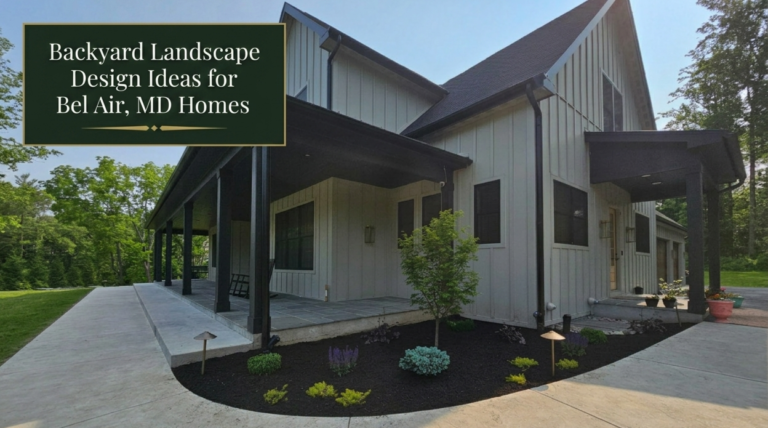
Design ideas for Bel Air backyards, where about 46 inches of rain falls every year.

Forty companies call themselves landscapers. What each kind actually does, and which one your project needs.

Why water sits in the low spot for days after a storm, and how to fix it.

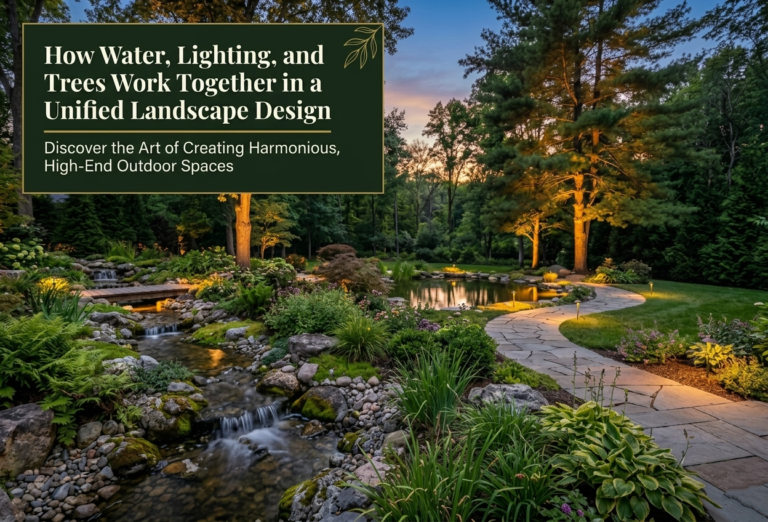
Why planning water, lighting and trees together beats adding them one project at a time.

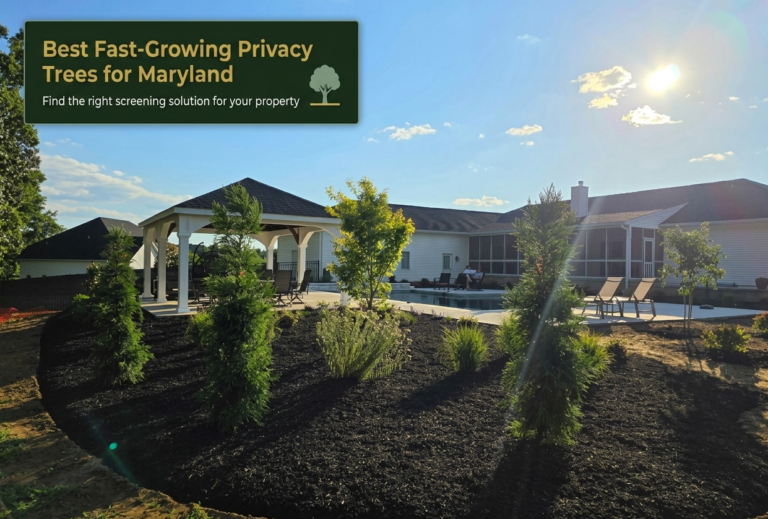
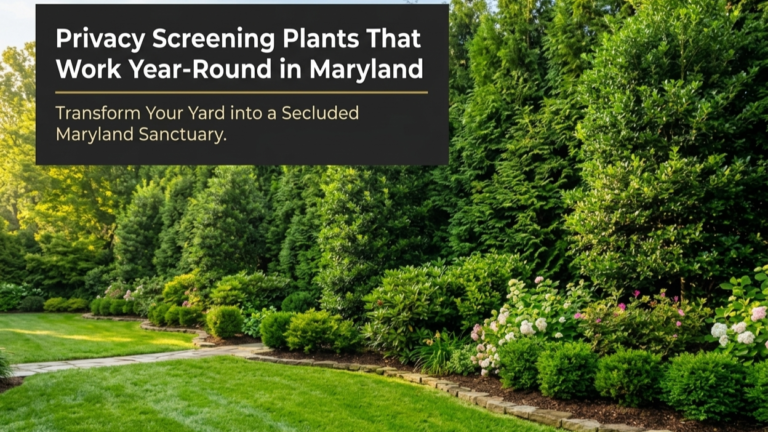
Plants that screen the neighbors and the road all year, before you pay for a fence.

Why an estate landscape that looks perfect on installation day can crowd itself within five years.

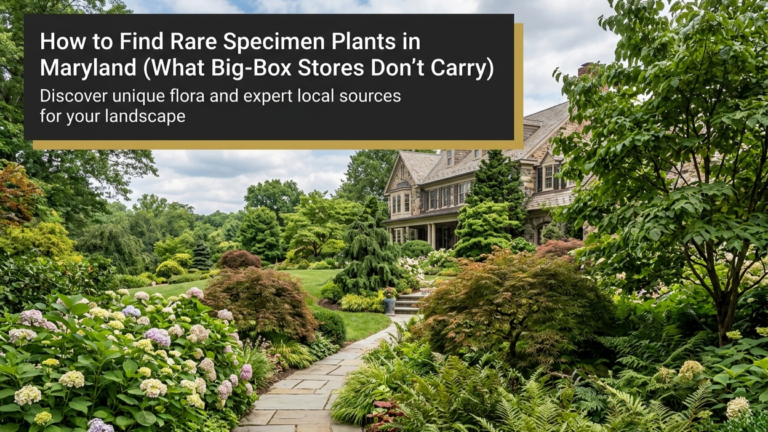
How Oakfield finds the plants and materials you won’t see at a big-box garden center.

Planning for scale and privacy when you have two, three or five acres to work with.

Harsh winters, humid summers, spring freezes and fall deluges, and how to keep each from undoing the work.

Leaves, perennials and what to cut back or leave standing before the first frost.

What to do after winter and when, including how to tell what’s dormant from what’s dead.

Lighting that keeps the yard usable after sunset, right when you have time to enjoy it.

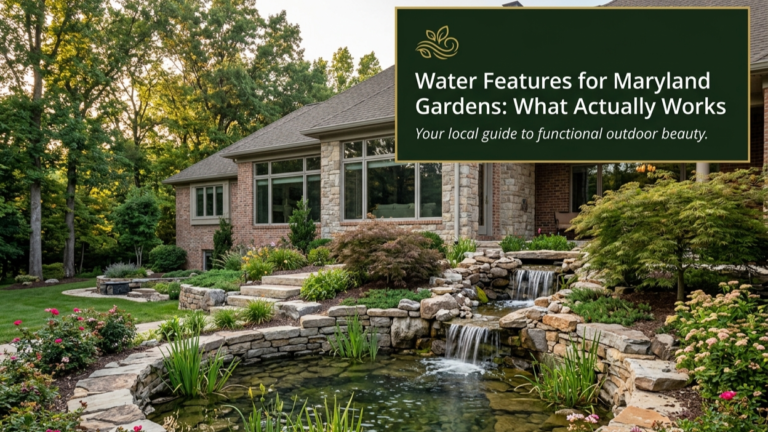
Ponds and fountains without frozen pumps in winter or algae blooms by July.

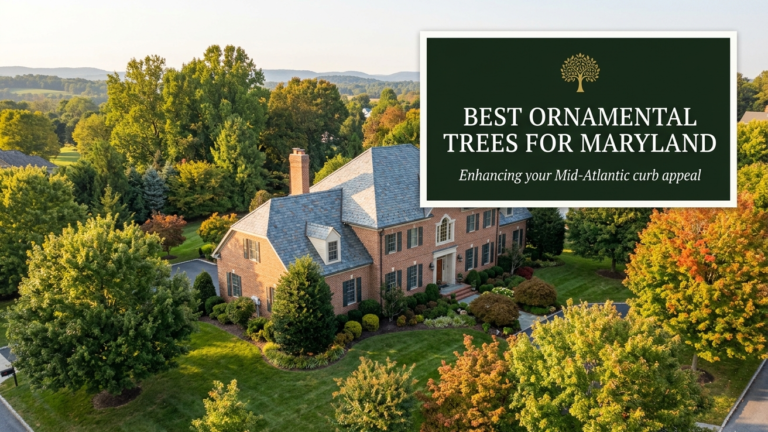
Trees for shade, privacy and curb appeal that won’t be struggling three years after planting.

Overgrown junipers and the same three shrubs in every bed: updating a yard that’s stuck in 1985.

“Dwarf” shrubs over the windows and privacy trees grown into each other: the signs it’s time.

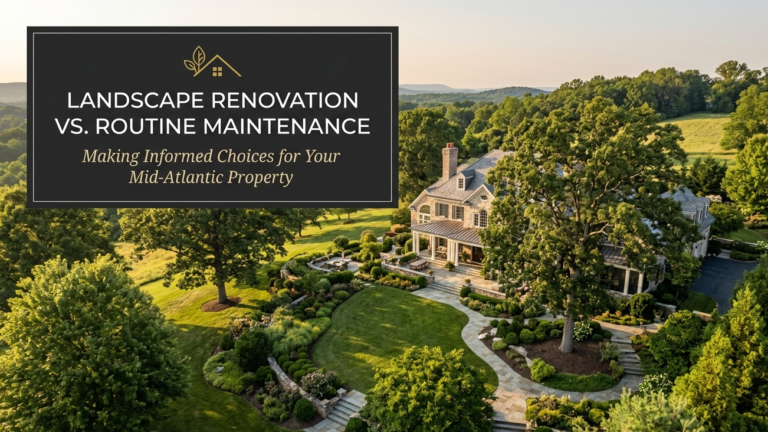
Whether your yard needs a good cleanup or a new design, and how to tell the difference.

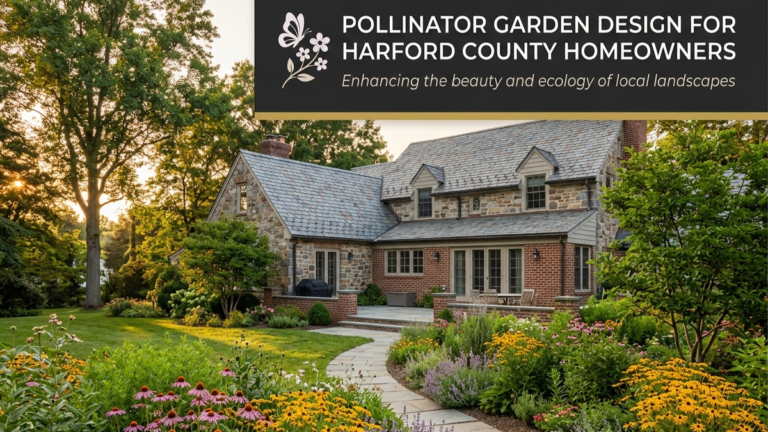
A garden for bees, butterflies and hummingbirds that looks good and doesn’t demand constant attention.

Natives that handle clay soil, humid summers and freeze-thaw winters without constant watering.

Designer first, then bids? Why one team designing and installing avoids the handoff and the budget surprises.

From a Pinterest board to a finished yard: how custom design and installation works, step by step.

Where to start when a 10- or 15-year-old landscape has grown tired and dated.

How water, lighting and trees turn a yard that doesn’t feel cohesive into one that does.

Year-round care that keeps a landscape investment from losing its shape.

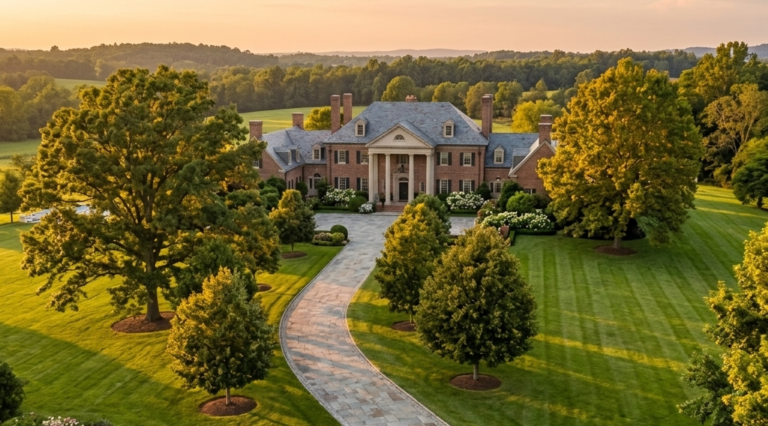
What multi-acre properties with specimen trees and several outdoor rooms need from a landscaper.

Gathering spaces and outdoor rooms that suit the way you live and the architecture of your home.

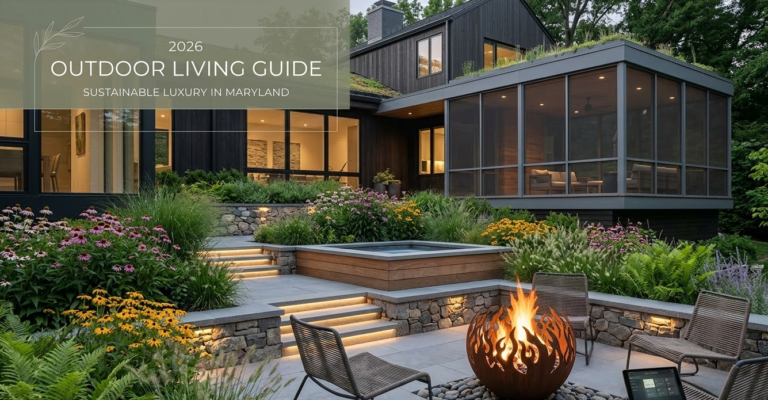
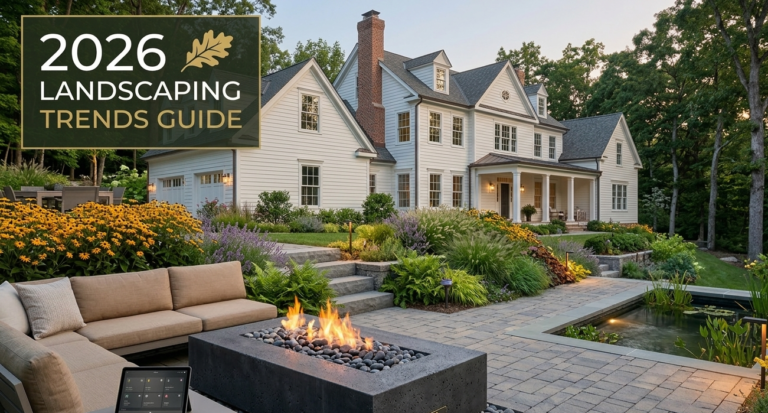
The trends that respond to how homeowners actually want to live outdoors, not passing fads.

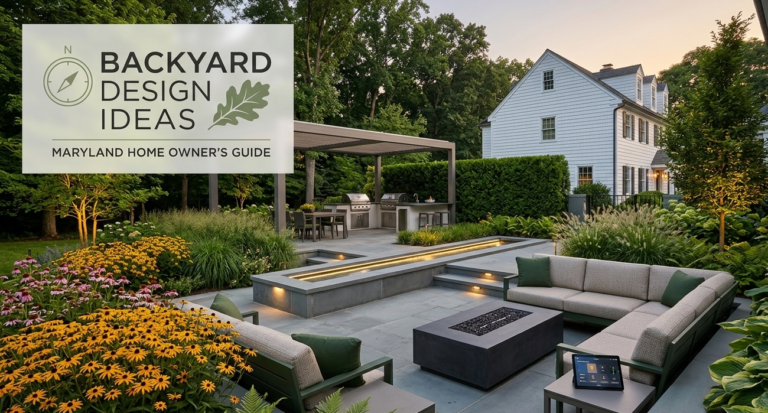
From clean, minimal lines to layered, naturalistic planting: ideas for turning unused space into a place to be.
Plan it yourself
Three quick tools for homeowners who like to plan before they call.

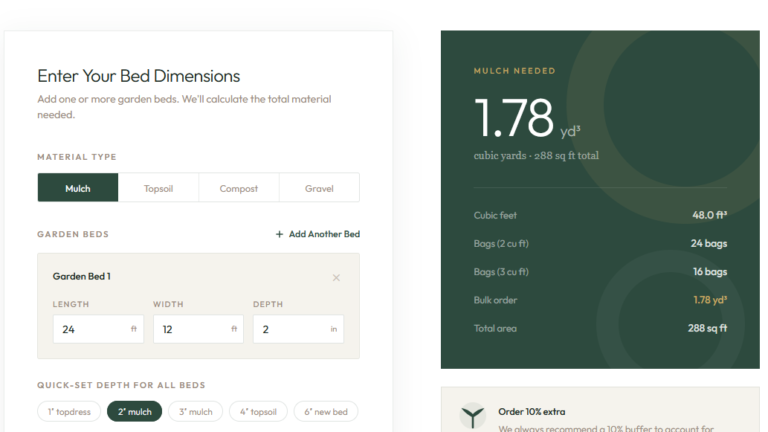
Enter your bed dimensions and get the cubic yards you need, so you order once and don't waste material.
Open the calculator
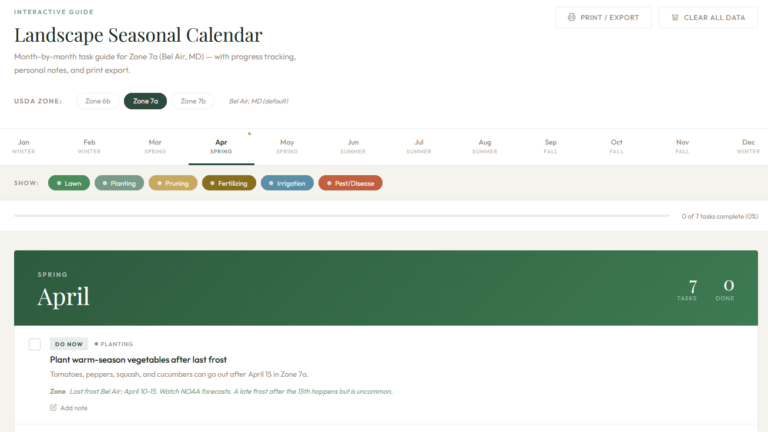
A month-by-month task guide for your USDA zone: the right time to plant, prune and fertilize.
Open the calendar
A short quiz that scores your landscape and gives you feedback specific to your yard.
Take the quizFree download
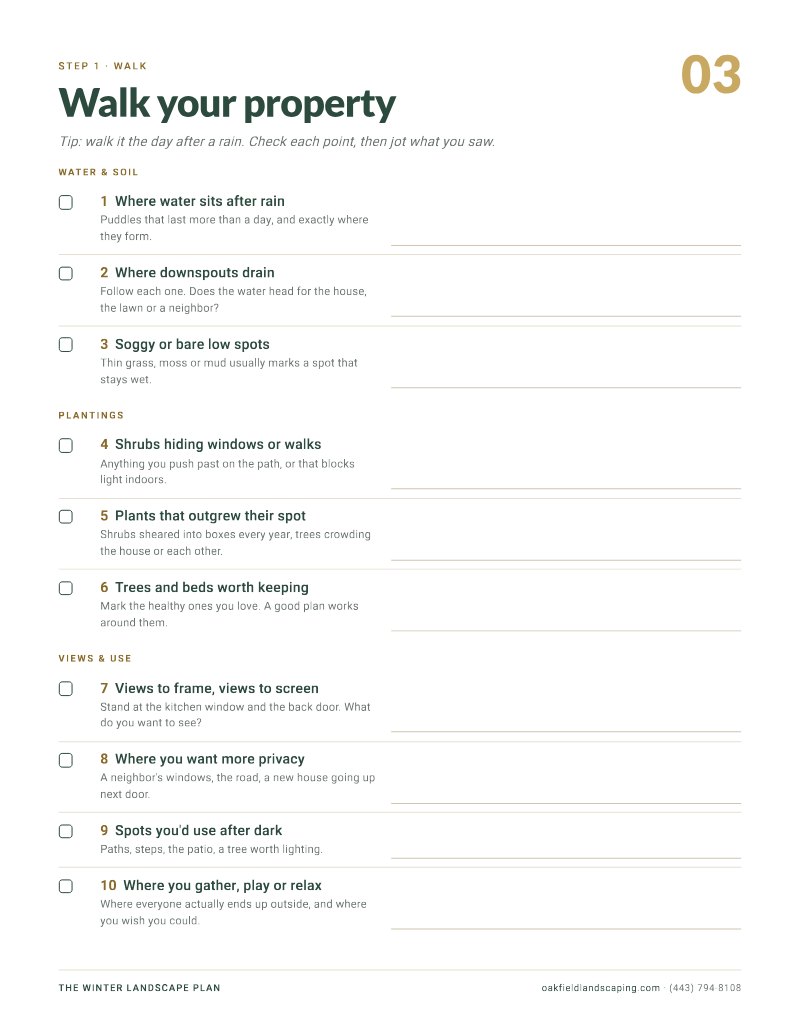
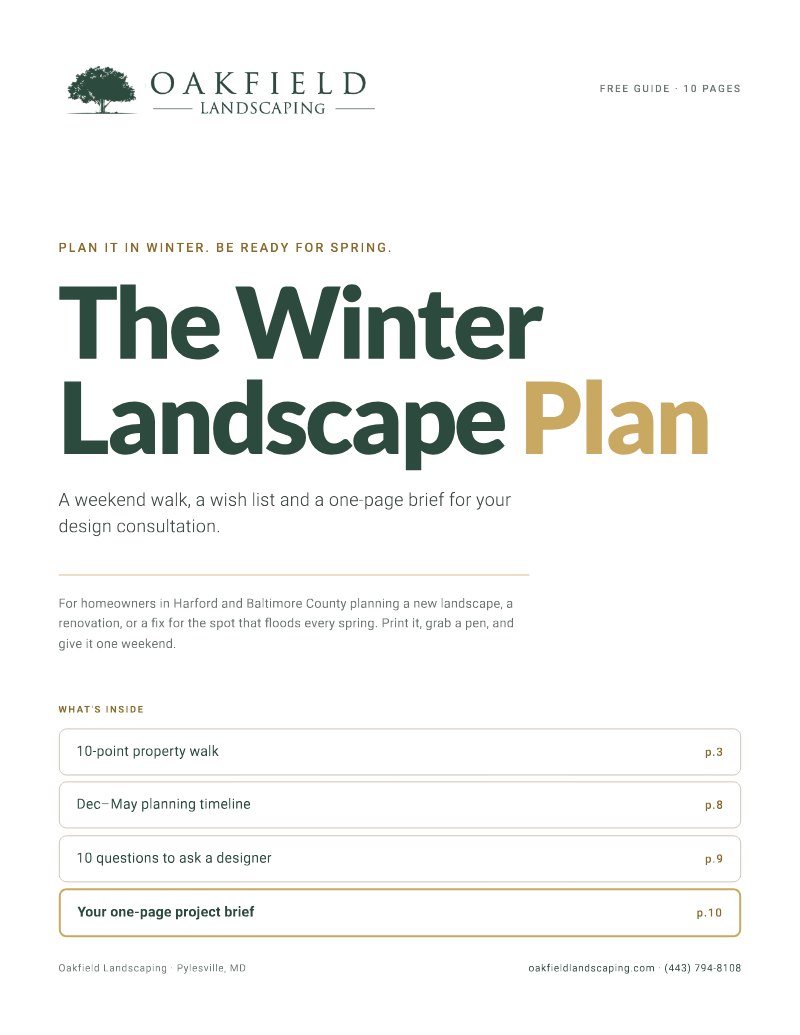
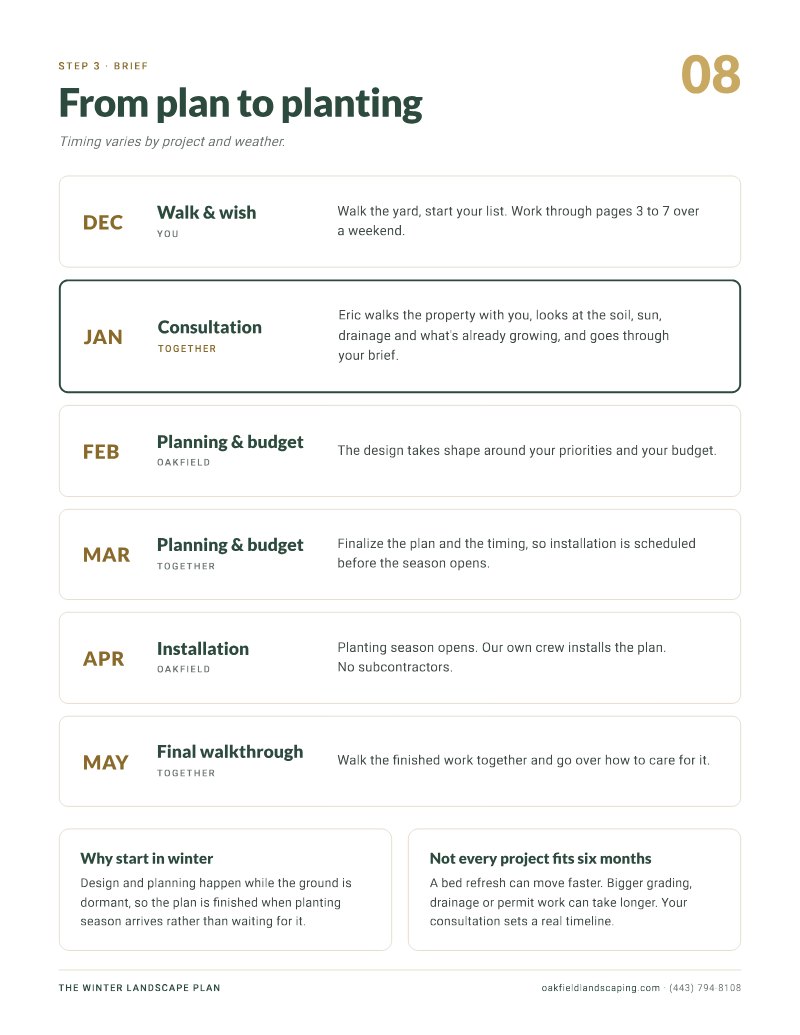
The Winter Landscape Plan is a 10-page printable: a 10-point walk of your property, a wish list sorted from must-have to someday, and a month-by-month timeline from first meeting to final walkthrough.
Your download starts right away. We may also email you the occasional seasonal guide. Unsubscribe anytime. Privacy policy
If it didn’t start, open the PDF
Rather walk it together? Schedule your consultation
Free consultation
Eric walks your property himself. He looks at the soil, sun, drainage and what’s already growing, and listens to how you want to use the space before recommending anything.
Oakfield is based in Pylesville and designs and installs landscapes across Harford County, from Bel Air, Fallston and Forest Hill to Jarrettsville, Abingdon and Whiteford, and into northern Baltimore County around Monkton and Parkton. Keeping our work within this area means every project gets Eric’s attention from the first consultation through final installation.
We’ll get back to you to set up a time for Eric to walk the property.