
Ideas for
exceptional
outdoor living
Calculators & Planners

Mulch & Topsoil Calculator
Enter your bed dimensions and get exact cubic yards needed — eliminating guesswork and wasted materials.

Landscape Seasonal Calendar
Month-by-month task guide customized to your USDA zone — never miss the right moment to plant, prune, or fertilize.

Landscape Quiz
Take a short quiz to get real feedback and a score on your landscape, customized to you.
From the Journal
-
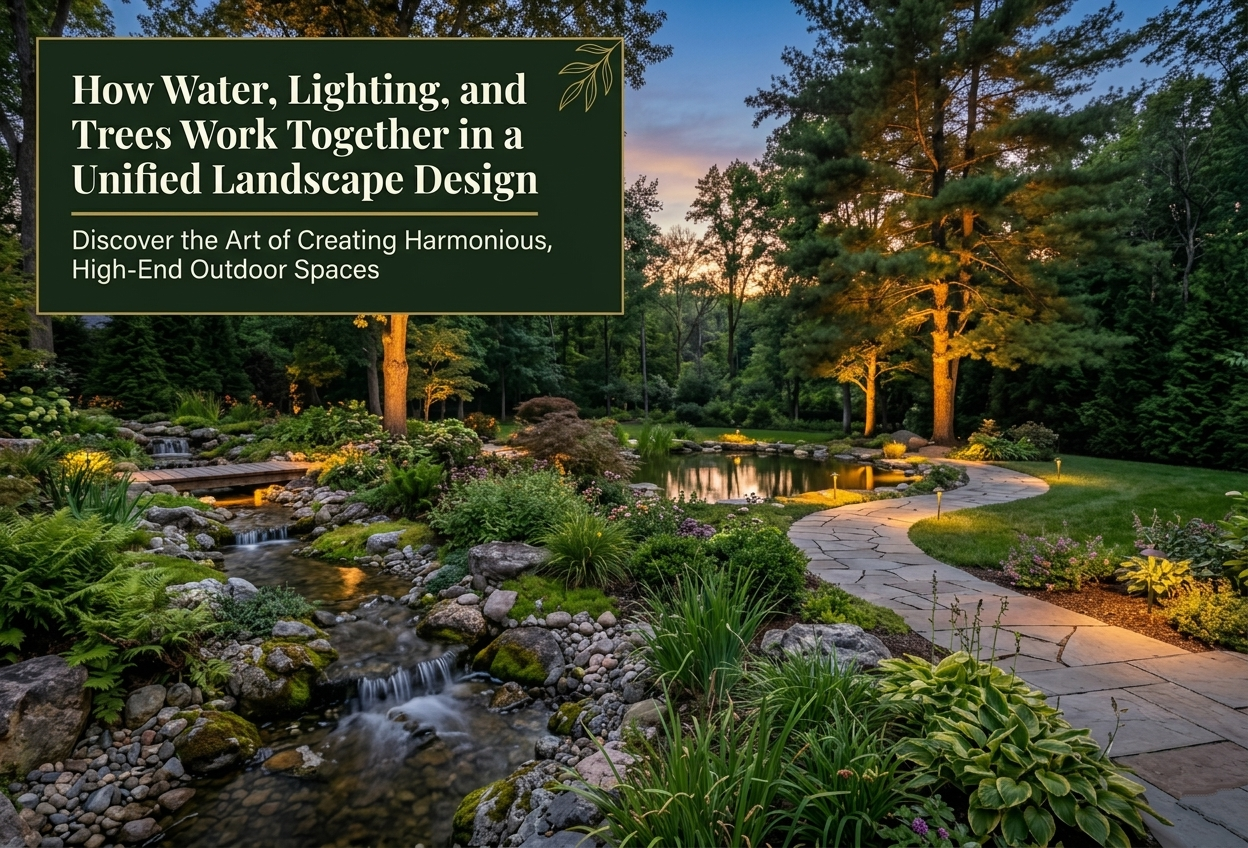 Read More →: How Water, Lighting, and Trees Work Together in Integrated Landscape Design
Most Maryland homeowners add landscape features one at a time. You plant a few trees this year. Maybe you add landscape lighting next summer. A fountain sounds nice, so you hire someone to install one down the road. Each project gets handled by a different contractor. The result? A yard that feels disconnected. Your lighting […]
-
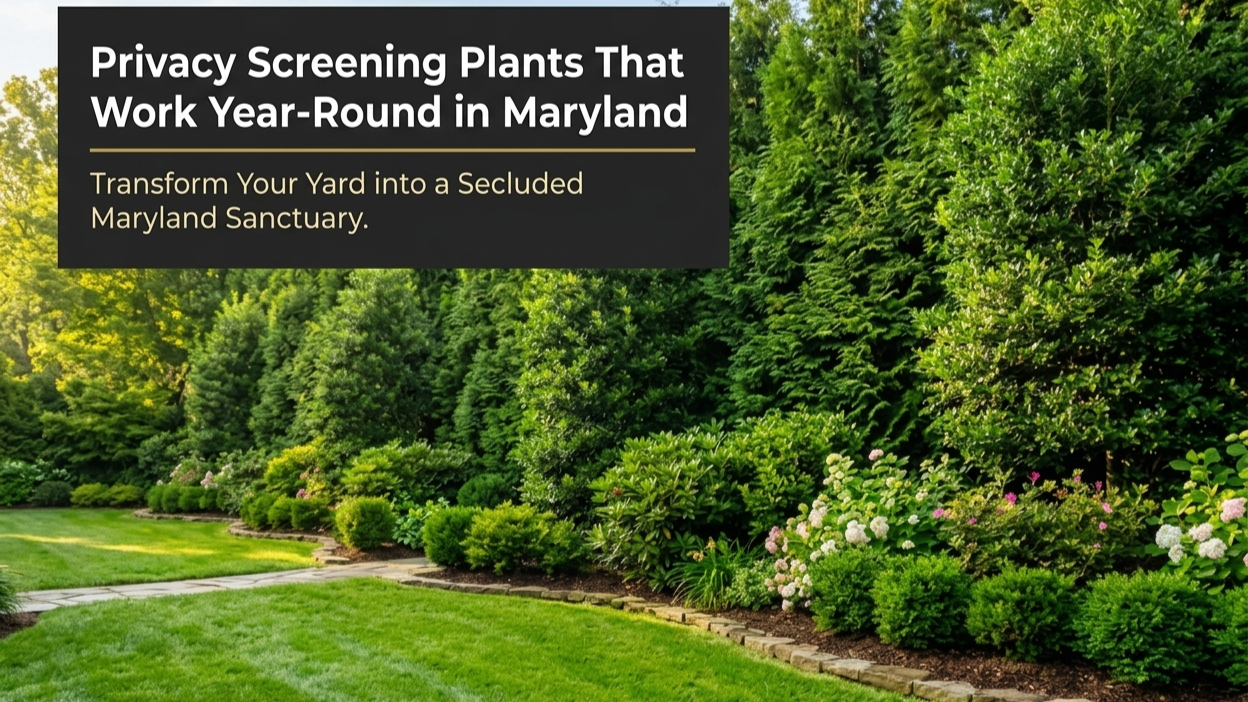 Read More →: Privacy Screening Plants That Work Year-Round in Maryland
You’re looking out your back windows and seeing straight into your neighbor’s yard. Or maybe traffic on Route 24 means noise and headlights at all hours. Perhaps you just spent the weekend getting quotes for a privacy fence, and the $8,000+ price tag has you wondering if there’s a better option. Here’s where it gets […]
-
 Read More →: Estate Landscape Design Maryland That Matures Over Time
A landscape designed for maturity doesn’t just look better over time — it costs less to maintain, adds more to your property’s value, and requires less intervention every year as plants establish and naturalize. For estate properties in Harford County, that kind of long-term thinking isn’t optional. It’s the difference between an investment that compounds and one that needs to be redone every decade.
-
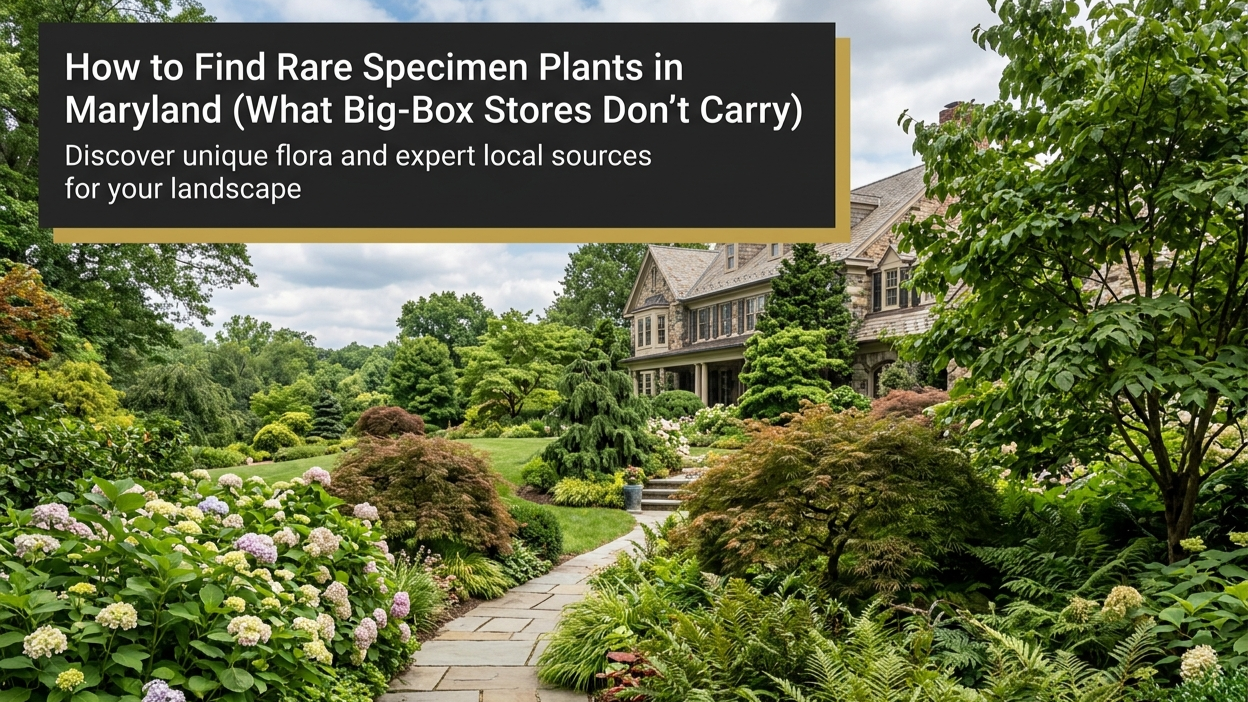 Read More →: Specimen Plants and Rare Materials: How Oakfield Sources What Big-Box Stores Don’t Carry
The plants that make a landscape memorable — a paperbark maple with cinnamon-colored bark, a mature river birch installed for immediate privacy, a Japanese maple cultivar you’ve never seen at a garden center — don’t come from Home Depot. They come from specialty growers and regional nurseries that don’t sell to the public. Here’s how Oakfield sources them for Harford County projects.
-
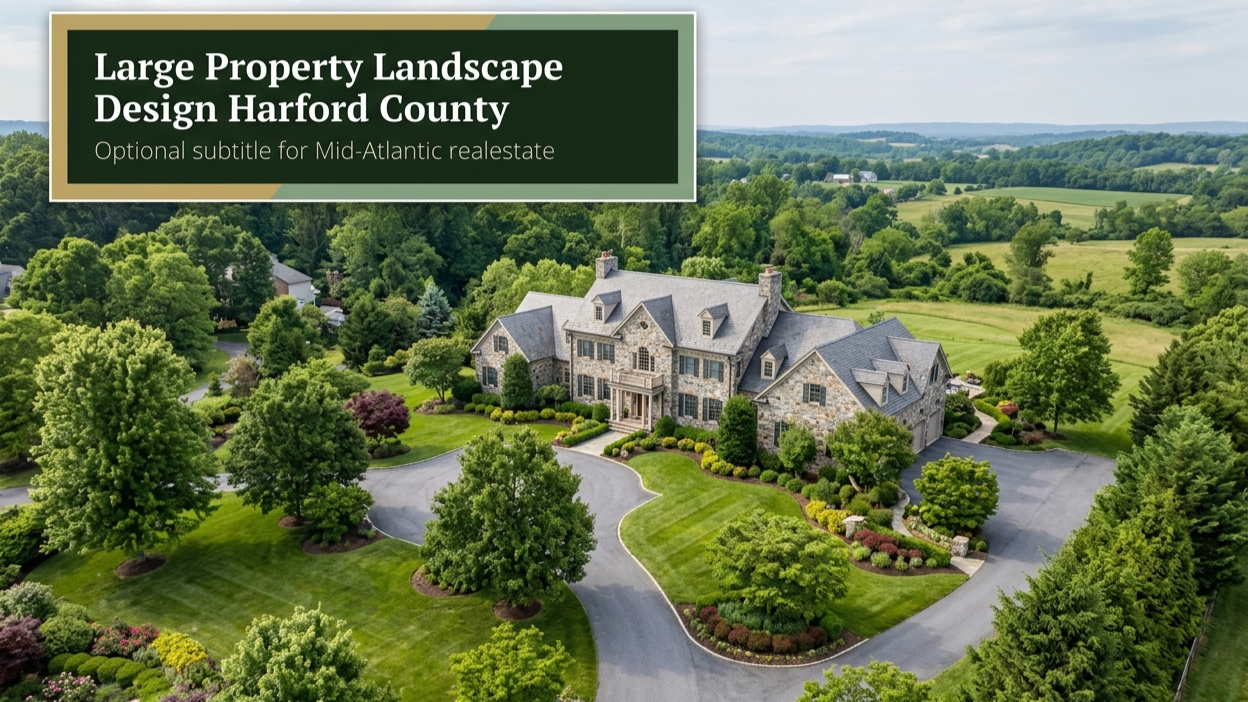 Read More →: Landscape Design for Large Properties in Harford County: Planning for Scale and Privacy
You bought a large Harford County property for the space — but now you’re staring at acres of patchy grass, overgrown tree lines, and a front entry that looks like every other new construction driveway in Bel Air. Every landscaper you’ve talked to treats it like a bigger version of a half-acre suburban job. It’s not. Here’s what estate-scale design actually requires, and why the approach has to be completely different.
-
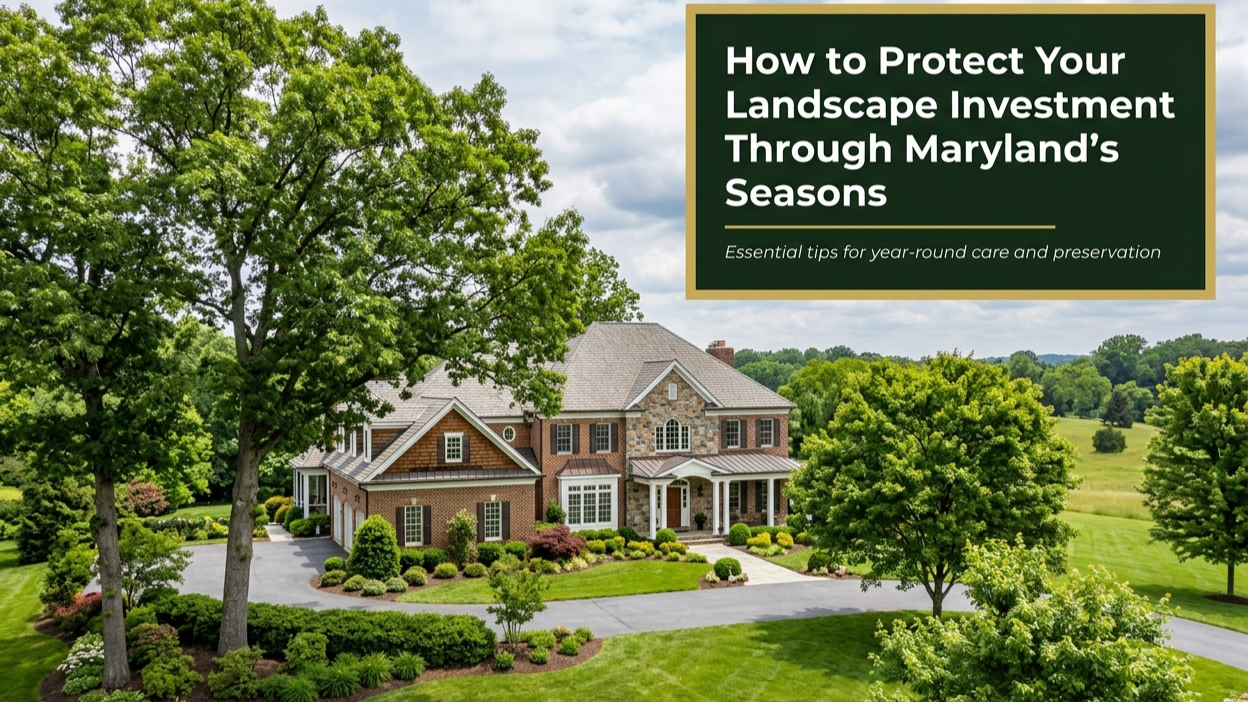 Read More →: How to Protect Your Landscape Investment Through Maryland’s Seasons
Most homeowners think the hard part is the installation. It’s not. Maryland’s four seasons create year-round stress that no landscape survives without attention. The good news is that protecting your investment doesn’t require much — just knowing what to do, and when to do it before each season does the damage for you.
-
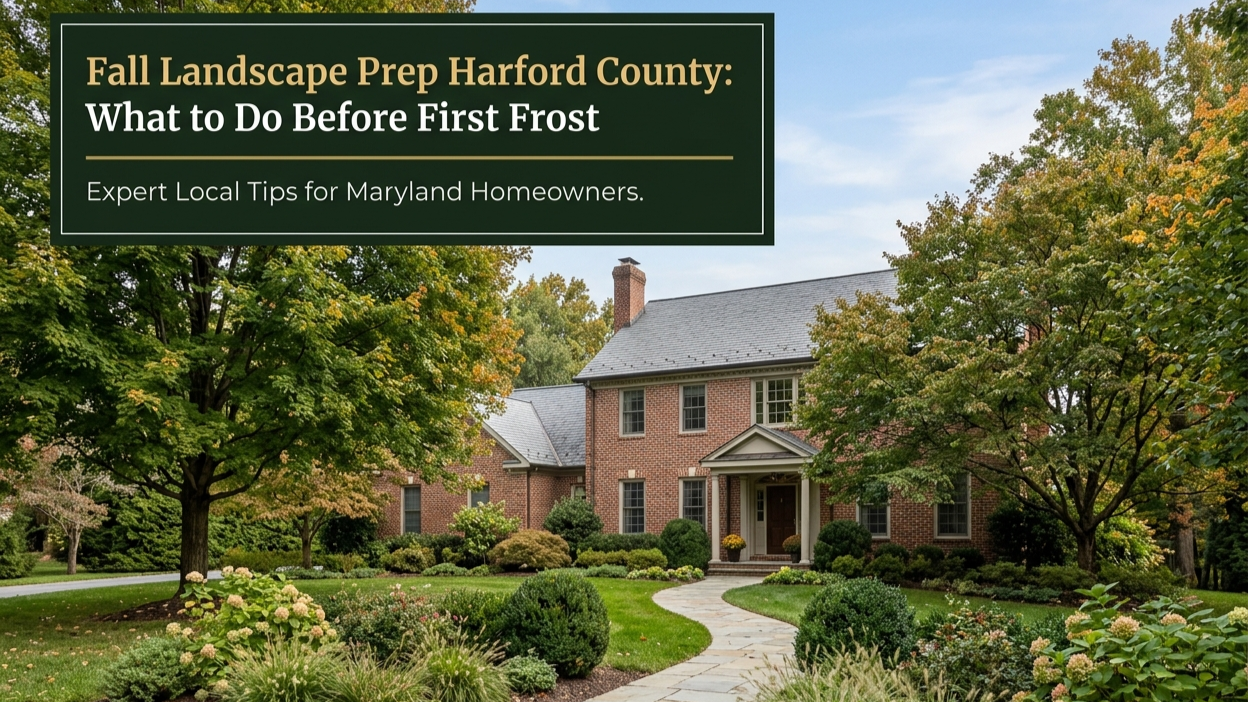 Read More →: Fall Landscape Prep Harford County: What to Do Before First Frost
The best thing you can do for your landscape in spring is take care of it in fall. Mulch applied now prevents frost heave. Diseased foliage removed now doesn’t overwinter in your beds. Trees planted now establish roots before the ground freezes and come back stronger than anything planted in April. Here’s the full fall checklist for Maryland landscapes — and why the timing matters.
-
 Read More →: Spring Landscape Maintenance Checklist for Maryland Homeowners
One week it’s 40 degrees, the next it’s 75 and everything’s budding out. Maryland’s spring window is short — and the work you do (or skip) between March and May determines how your landscape looks and performs for the rest of the year. Here’s exactly what needs to happen, and when, before summer heat arrives and the window closes.
-
 Read More →: Landscape Lighting Design Maryland: Transform Your Evening Outdoor Space
Great landscape lighting extends your outdoor season by weeks, showcases the features you’ve invested in, and transforms how you use your property after dark. The difference between a system that looks stunning and one that looks like a parking lot comes down to design — not how many fixtures you install or how bright they are.
-
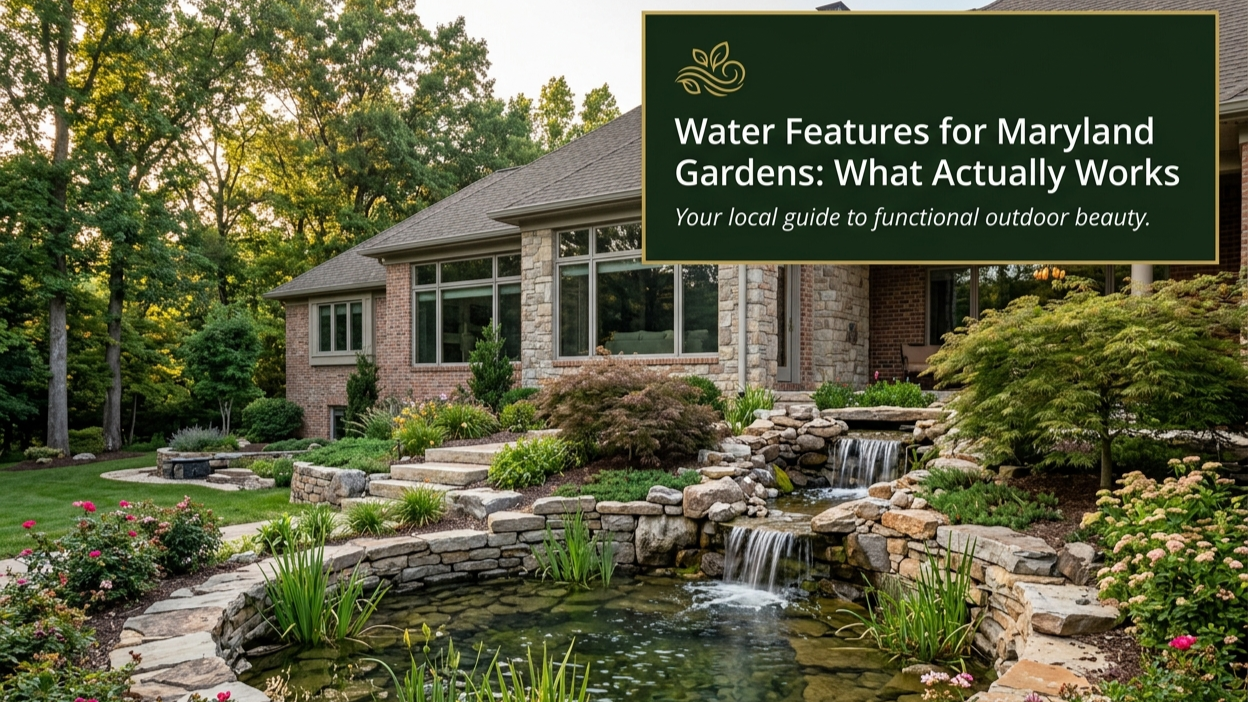 Read More →: Water Features for Maryland Gardens: What Actually Works
Maryland gives you four seasons — and your water feature has to handle all of them. Freeze/thaw cycles in January, algae pressure in July, falling leaves in October. The right design works with our climate instead of fighting it. Here’s what actually holds up in Harford County yards.
-
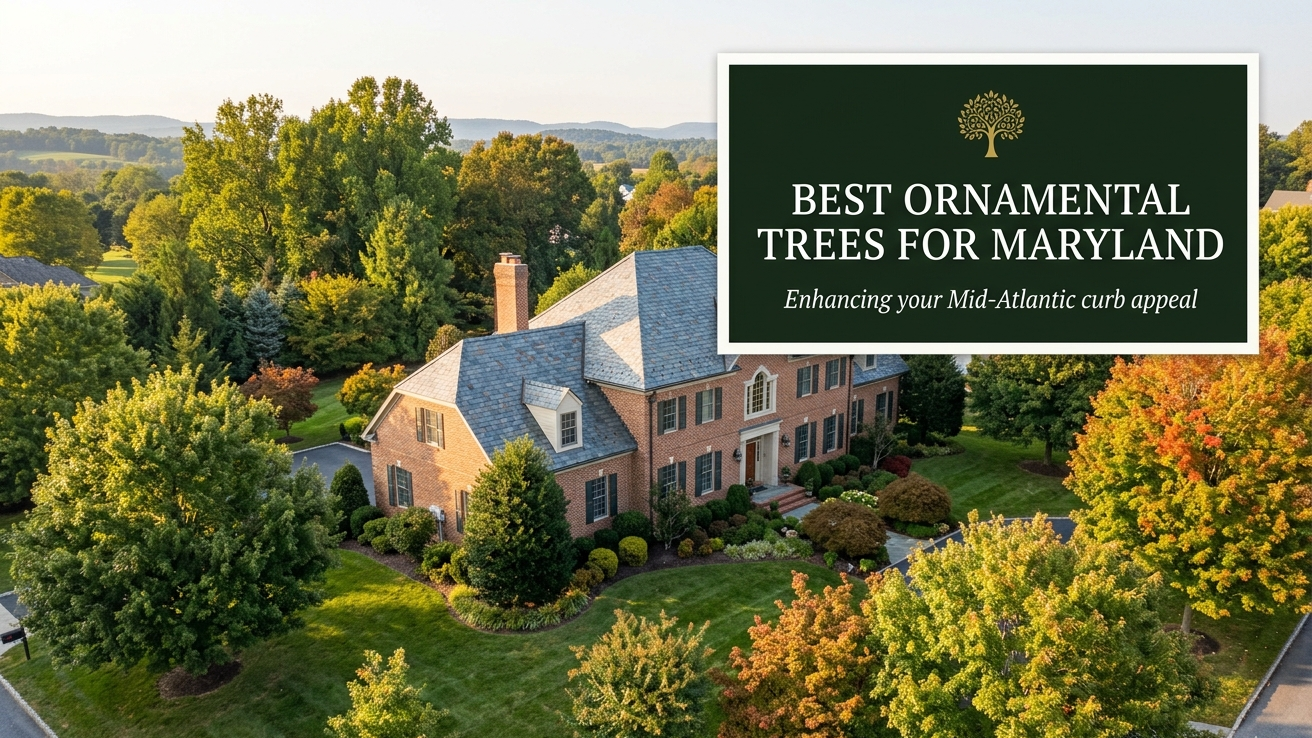 Read More →: Best Ornamental Trees for Maryland: Shade, Privacy, and Year-Round Interest
The right tree in the right spot transforms a property for decades. The wrong one becomes an expensive problem within a few years. Harford County’s heavy clay soil, humid summers, and zone 6b/7a winters narrow the field considerably — and that’s actually good news, because the trees that thrive here are some of the most beautiful ornamentals you can plant.
-
 Read More →: How to Update Landscaping on an Older Home in Bel Air, MD
Mature trees take 40 years to grow. Good soil takes decades to develop. Before you rip out your older home’s landscaping and start fresh, it’s worth knowing what you actually have — and what a targeted refresh could do without erasing the character your property has built up over time.
-
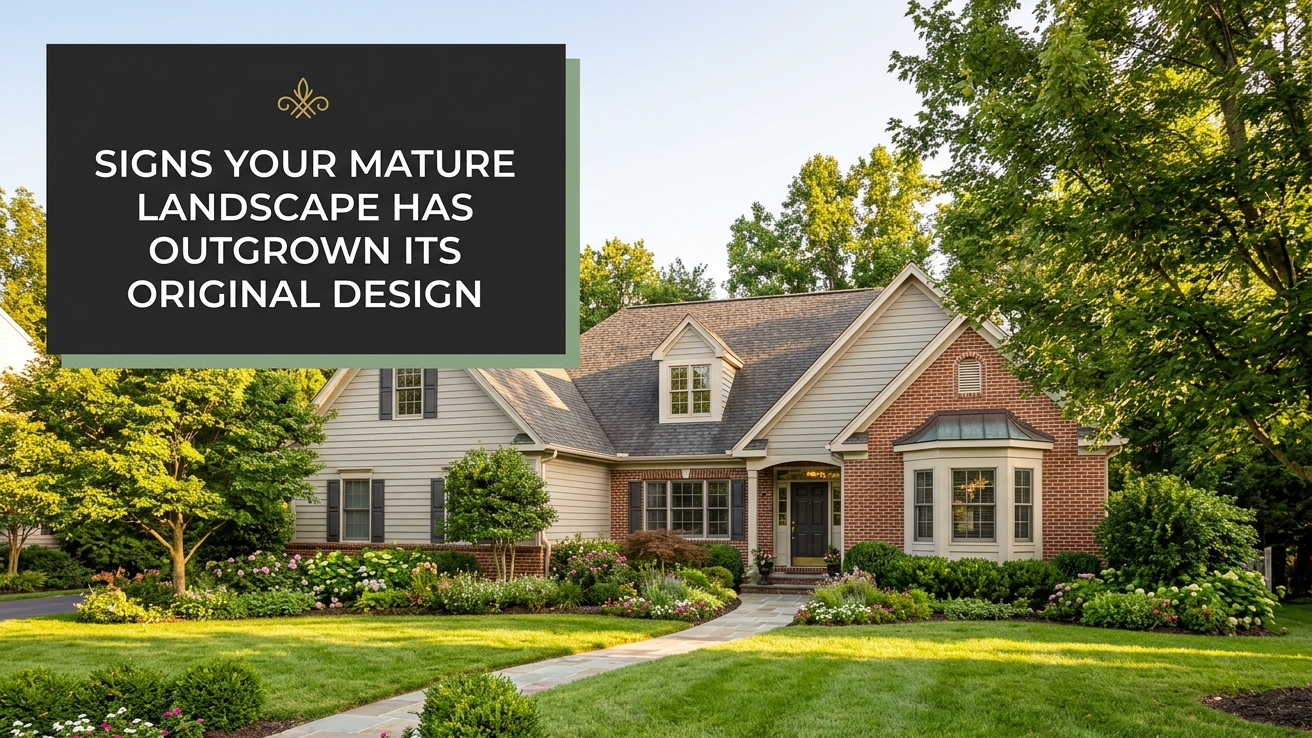 Read More →: Signs Your Mature Landscape Has Outgrown Its Original Design
If you’re pruning every few weeks and still losing ground, you don’t have a maintenance problem — you have a design problem. Most landscapes are planned to look good at installation, not 15 years later. Here’s how to tell when it’s time to stop fighting your yard and start redesigning it.
-
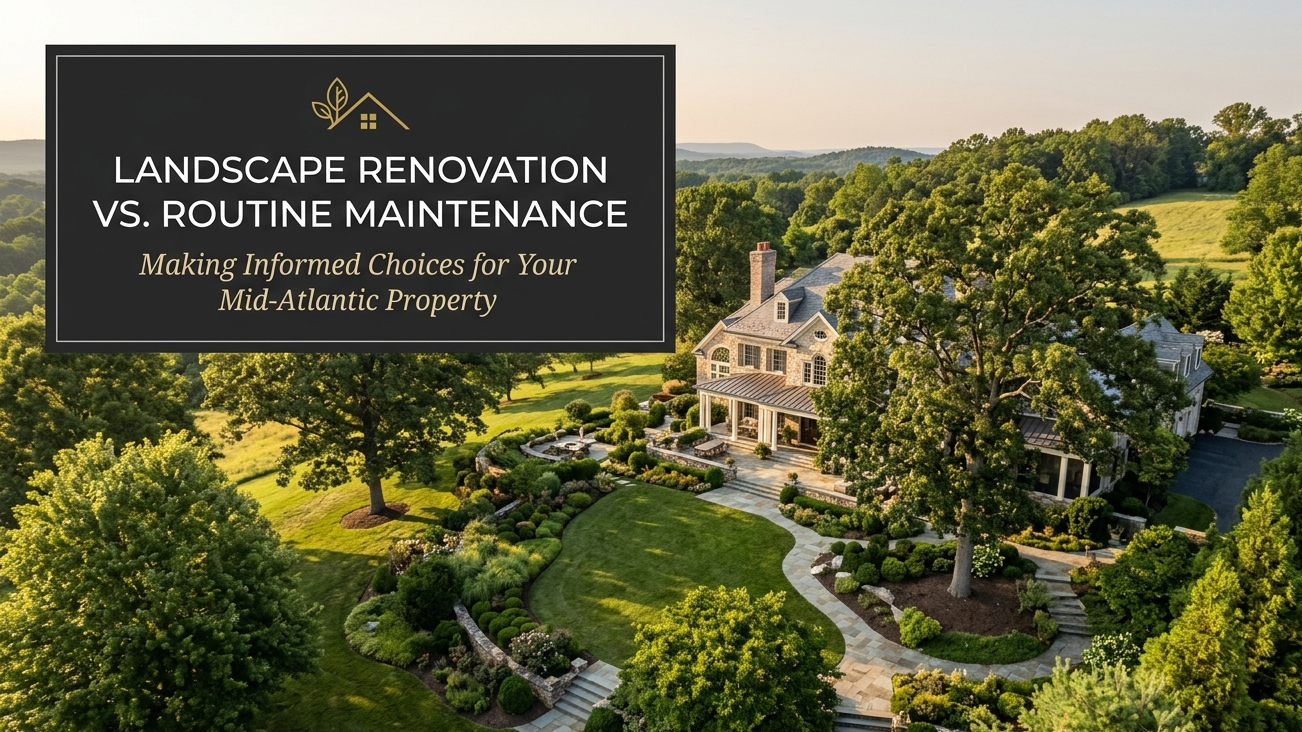 Read More →: How to Tell If Your Harford County Landscape Needs Renovation vs. Routine Maintenance
Most Harford County homeowners don’t need a full renovation — they just need consistent care. But some do, and no amount of seasonal cleanup will fix a landscape that was never designed to work in the first place. Here’s how to know which one your property actually needs, before you spend another dollar on either.
-
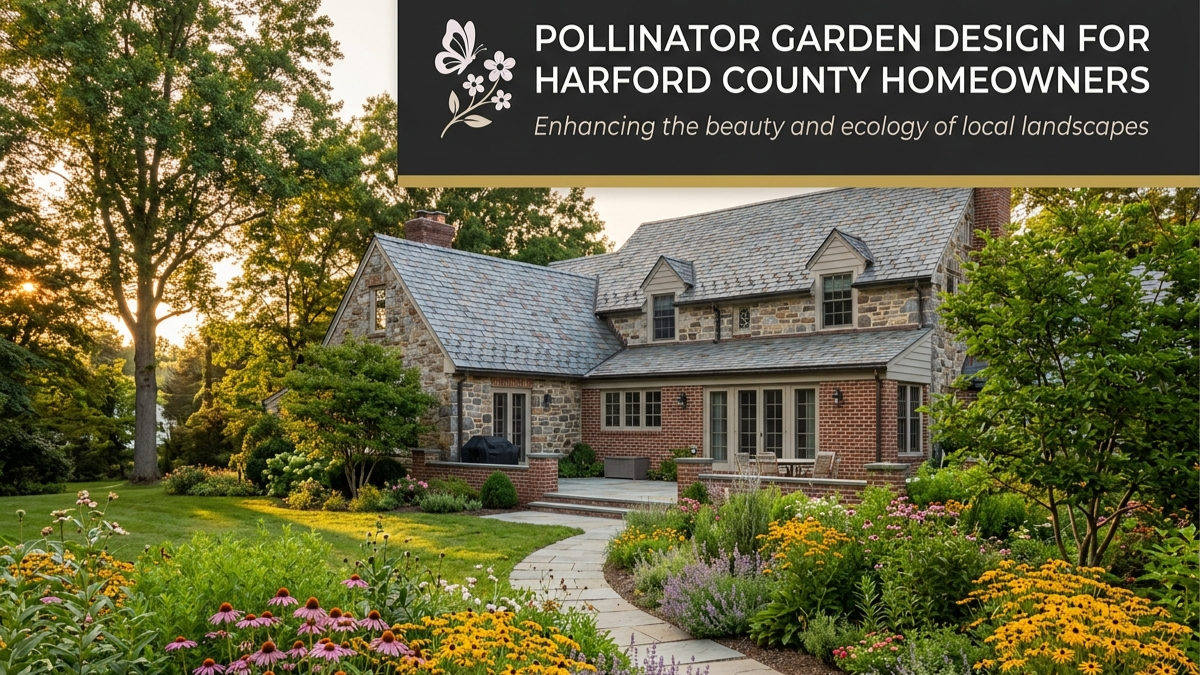 Read More →: Pollinator Garden Design for Harford County Homeowners
Most landscaping works against Maryland’s climate. Pollinator gardens work with it. Native plants adapted to Harford County’s clay soil and zone 6b/7a winters require less water, fewer pesticides, and almost no fertilizer — while supporting the bees, butterflies, and birds that traditional ornamentals can’t.
-
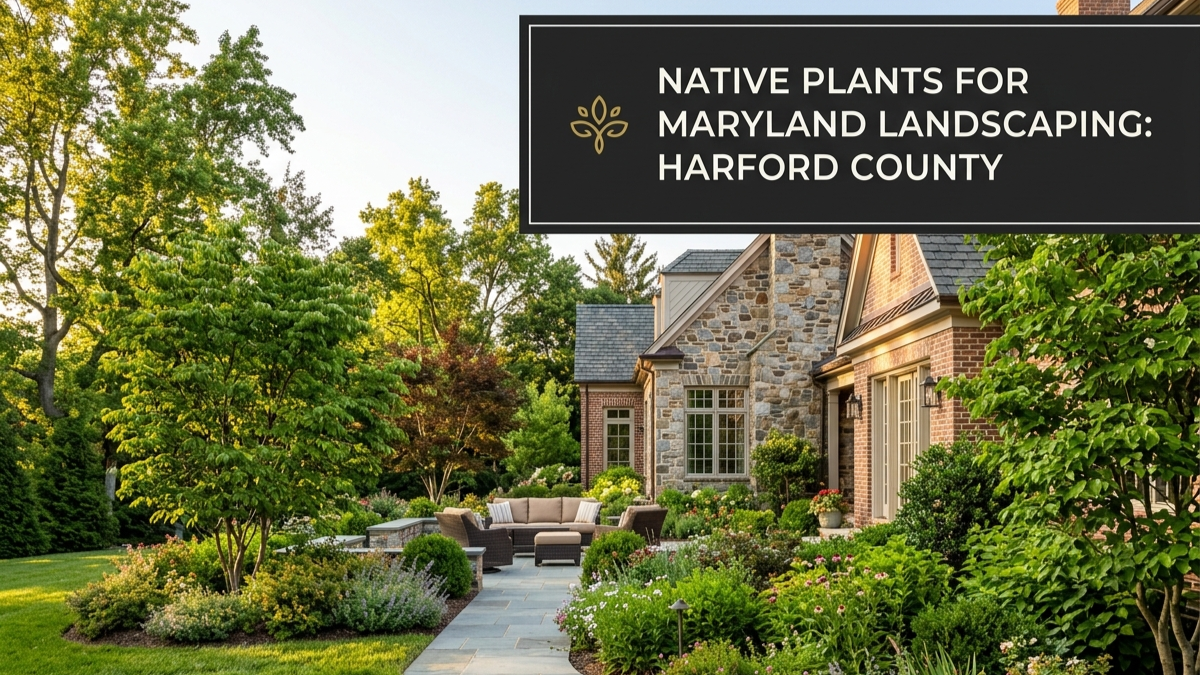 Read More →: Native Plants for Maryland Landscaping: What Thrives in Harford County
Boxwoods browning by July. Hostas eaten by deer. Ornamental grasses that don’t survive the winter. If this sounds familiar, the plants aren’t the problem — the plant selection is. Native plants evolved in Maryland’s clay soil and humid summers. When designed correctly, they create landscapes that require less upkeep and get better every year.
-
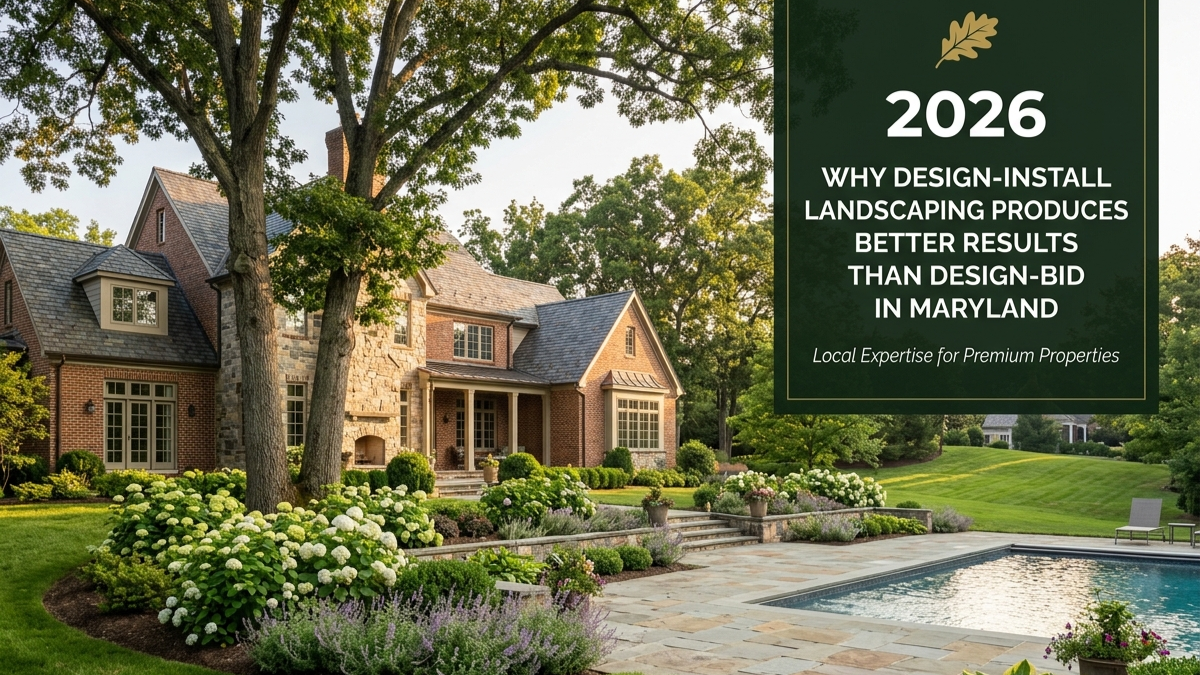 Read More →: Why Design-Install Landscaping Produces Better Results Than Design-Bid in Maryland
Most landscape projects go over budget because the designer and contractor have never met. At Oakfield, design and installation happen under one roof — so what you approve is what you pay, and what gets planted is what actually grows in Harford County.
-
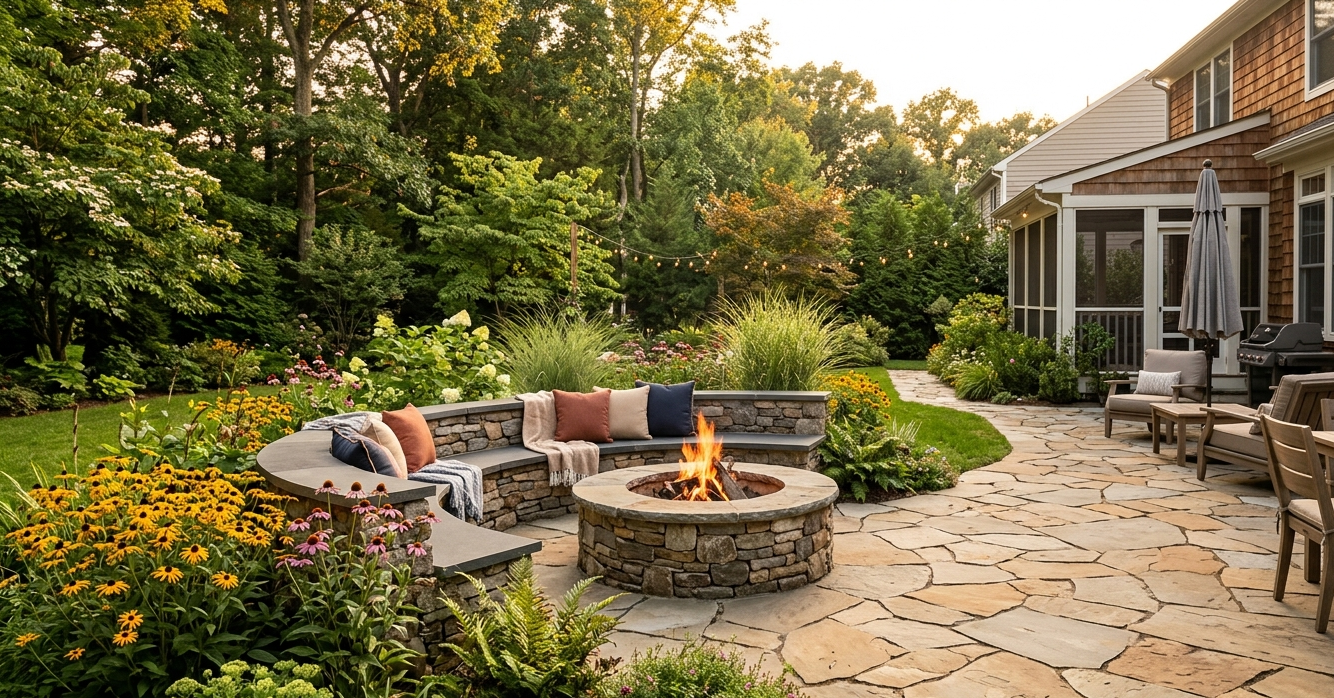 Read More →: All You Need to Know: Custom Landscape Design and Installation in Harford County, Maryland
You have the Pinterest board. You have the vision. But every time you start calling around, you hit the same wall — designers who hand you beautiful drawings with no plan to build them, and contractors who can pour concrete but shrug at plant selection. There’s a better way. Here’s how Harford County homeowners are getting the outdoor spaces they’ve been dreaming about — without becoming their own project manager.
-
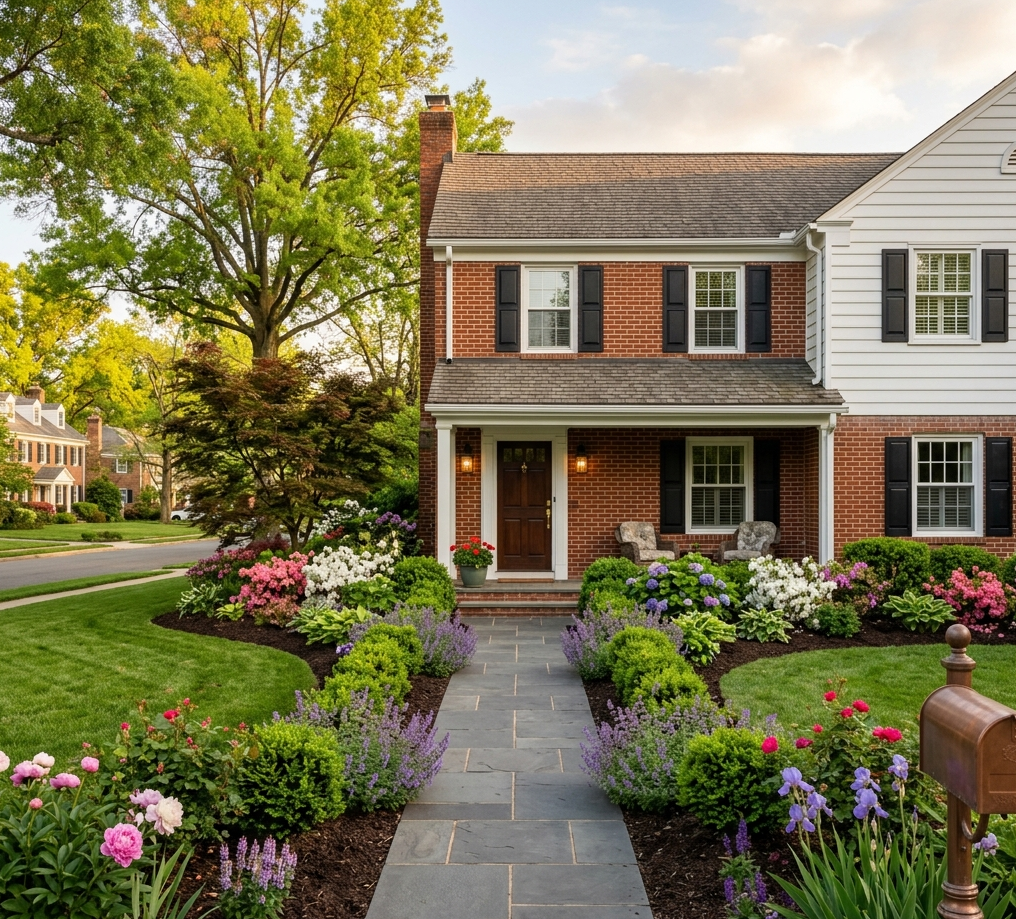 Read More →: A Beginner’s Guide to Landscape Renovation in Harford County, Maryland
Here’s a punchy, SEO-friendly excerpt that hooks local homeowners and drives clicks: Excerpt: Your landscape looked great a decade ago. Now the shrubs are swallowing your windows, the patio pavers are sinking, and every spring you’re throwing money at the same problems. Sound familiar? If you’re a Harford County homeowner stuck in a cycle of band-aid fixes, it may be time to stop patching and start renovating.
-
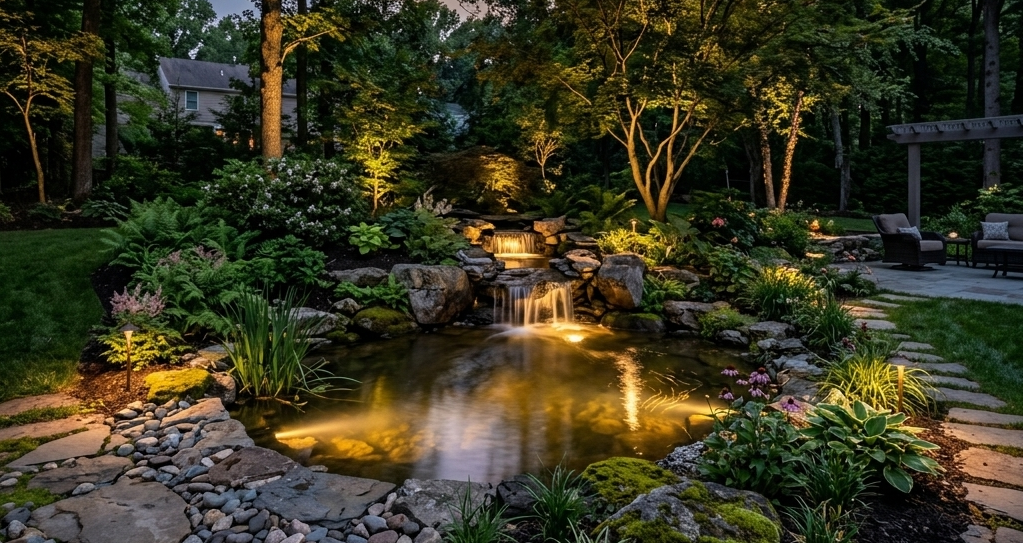 Read More →: Getting Started: Water Features, Lighting, and Tree Services in Harford County, Maryland
Most homeowners hire three different companies for water features, lighting, and tree work — then spend years living with results that don’t work together. When these three elements are planned as one system, they transform a yard from “nice enough” into an outdoor space you actually want to spend time in.
-
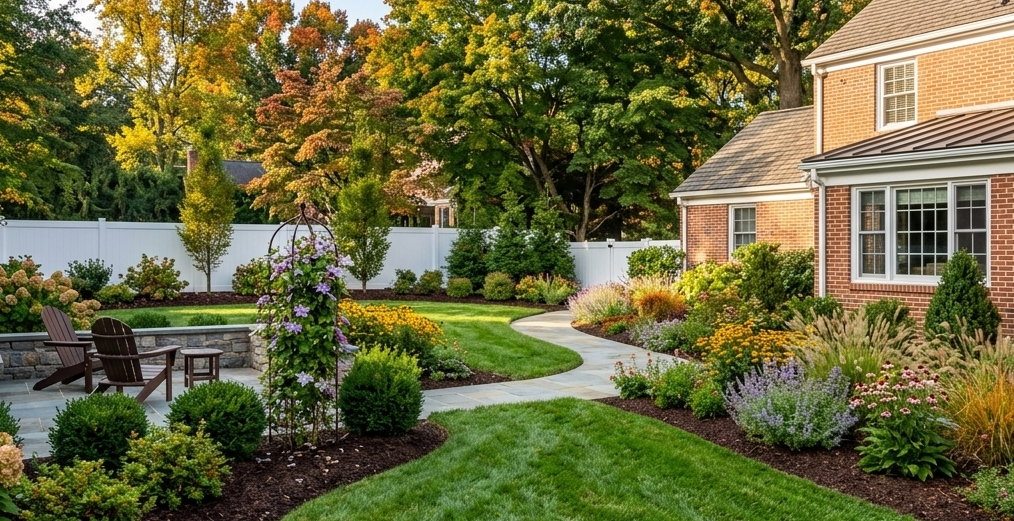 Read More →: The Complete Guide to Year-Round Landscape Maintenance in Harford County, MD
Skip spring pruning and your ornamental trees go leggy. Forget irrigation winterization and you’re looking at $2,000 in burst pipes come March. Landscape maintenance in Harford County follows a specific calendar — and getting the timing wrong turns small problems into expensive ones. Here’s exactly what needs to happen, and when.
-
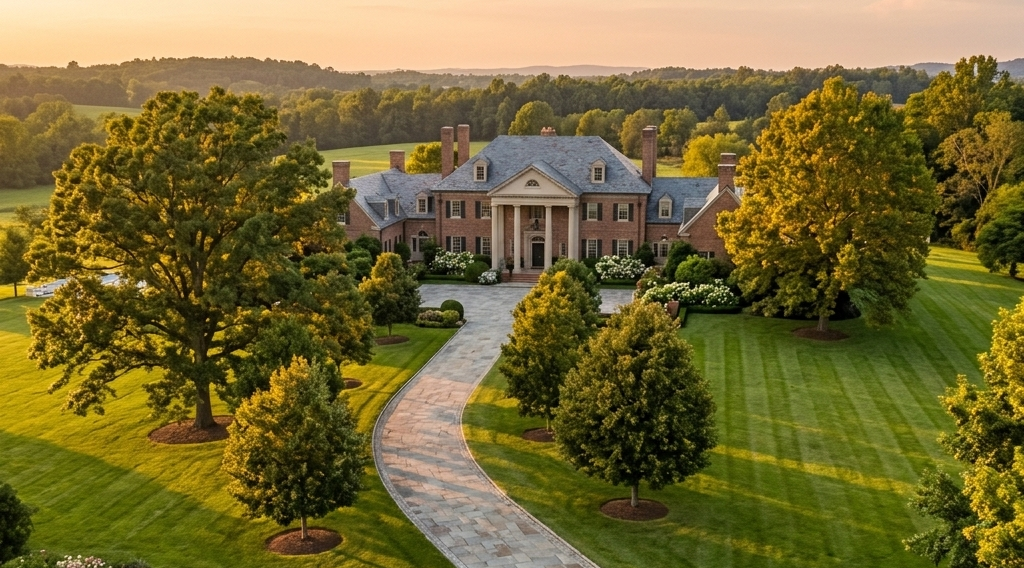 Read More →: The Complete 2026 Guide to Luxury and Estate Landscaping in Harford County, Maryland
A 4-acre property in Harford County demands more than the company handling quarter-acre subdivision lots. Estate landscaping is fundamentally different work — bigger crews, longer timelines, and designs planned around how your property will look in 20 years. Here’s what that level of expertise actually looks like.
-
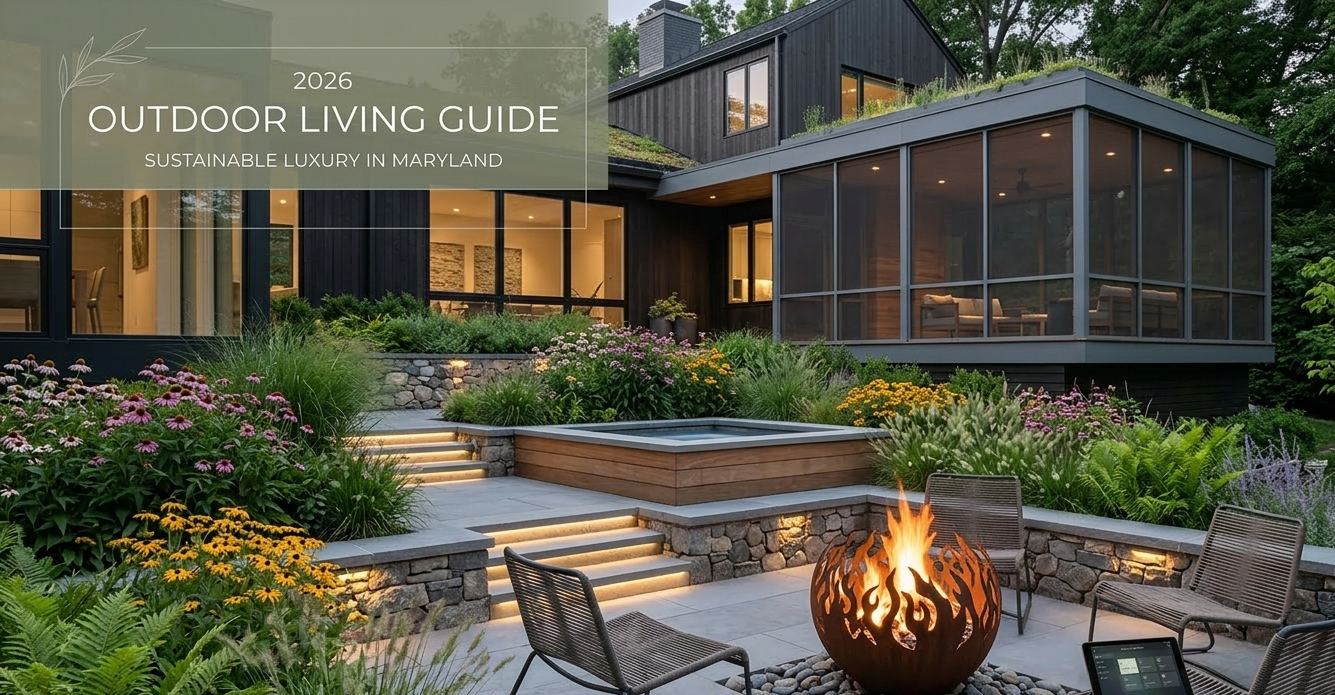 Read More →: Outdoor Living Inspiration 2026
Future-proof your landscape with our 2026 Outdoor Living Guide. This year is all about ‘sustainable luxury’… think climate-resilient native plants, automated smart lighting, and high-end natural materials. See which trends are worth the investment for your Maryland home.
-
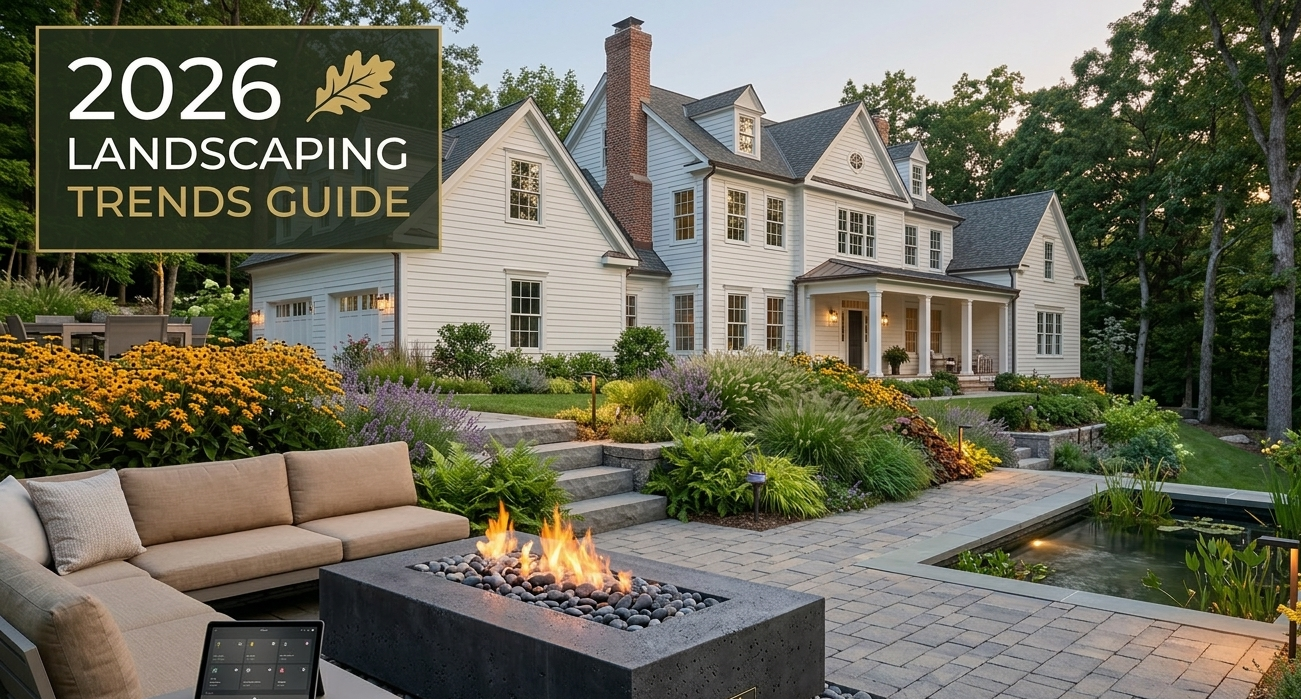 Read More →: Landscaping Trends 2026
Say goodbye to the ‘all-gray’ era. We’re embracing the rise of ‘Maximalist Nature’ in 2026, where bold sunset-inspired color palettes and lush, layered textures take center stage. If you’re ready to break away from minimalist norms, these are the vibrant trends you need to see.
-
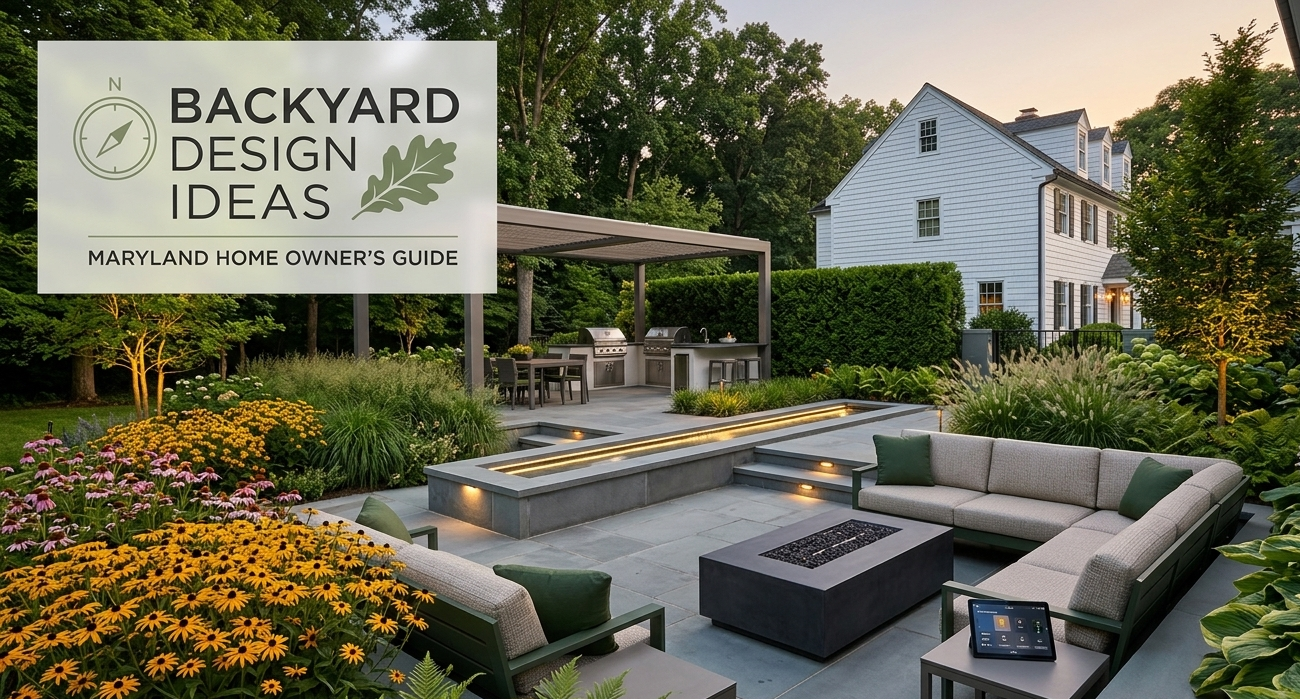 Read More →: Backyard Design Ideas
Modern backyard design is about intentional materials and structural beauty. Whether you’re drawn to clean geometric lines or layered natural textures, our latest guide explores the proven design principles that elevate any Maryland property. Explore the art of ‘architectural gardens’ and find the inspiration for your next renovation.