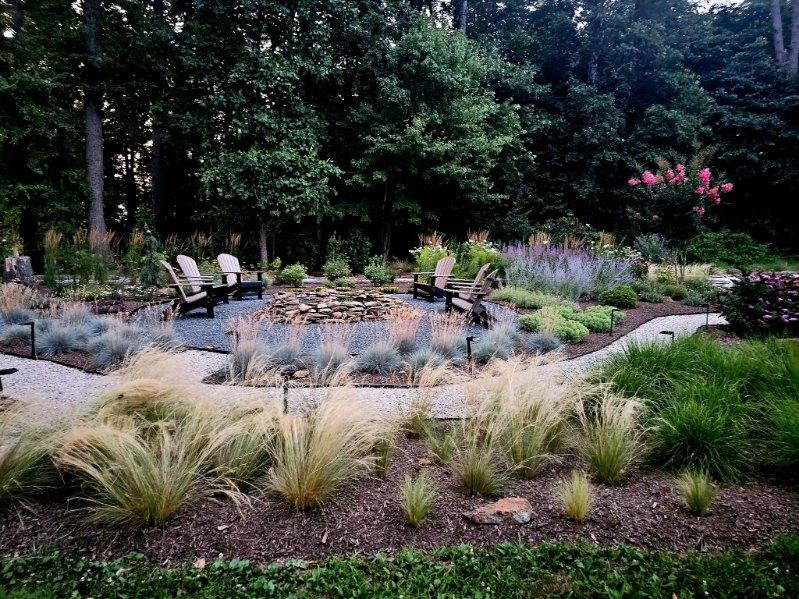
You invested thousands into professional landscaping—mature trees, native plantings, maybe a water feature or specialty lighting. Your property looks incredible. But Maryland’s weather doesn’t care about your investment.
Harsh winters, humid summers, spring freezes, and fall deluges can undo years of careful design in a single season. A landscape that looks magazine-perfect in June can show serious decline by the following spring if you don’t protect it through our dramatic seasonal shifts.
Without proper seasonal care, expensive specimen plants decline. Drainage systems clog. Lighting fixtures corrode. Mulch washes away. Trees develop structural weaknesses. Within 2–3 years, a $15,000 landscape starts looking like a $3,000 one. The homeowners who don’t protect their investment end up paying twice—once for installation, again for repair and replacement.
The good news? Protecting your landscape investment doesn’t require a degree in horticulture. It requires understanding Maryland’s specific seasonal challenges and having a year-round maintenance plan. Whether you handle tasks yourself or work with professionals, knowing what to do (and when) keeps your landscape healthy, beautiful, and appreciating in value.
Why Maryland Landscapes Need Year-Round Protection
Bottom line: Maryland’s four distinct seasons create unique stresses on landscaping that don’t exist in more temperate climates. Without seasonal adjustments, even professionally installed landscapes deteriorate rapidly.
Living in Harford County means your landscape experiences extremes. We’re not in a gentle, steady climate. We get temperature swings from single digits in January to 95°+ in July. Your plants have to handle it all.
Maryland’s Climate Challenges (Zone 6b/7a Reality)
Here in Harford and Baltimore Counties, we’re in USDA Hardiness Zones 6b and 7a. That sounds technical, but what it means is simple: we get cold enough to kill plants that would thrive 100 miles south, and hot enough to stress plants that prefer cooler climates.
Our spring starts with freeze-thaw cycles that heave plants right out of the ground. One day it’s 60 degrees and your daffodils are up. Two days later it’s 28 degrees and everything’s covered in ice.
Summer brings humidity that creates perfect conditions for fungal diseases. We’ll go weeks without meaningful rain, then get three inches in an afternoon. That kind of weather is hard on plant roots.
Fall comes fast. We go from 80-degree days in September to frost warnings in October. And winter? We get the full package—snow, ice, bitter cold, and those January thaws that trick plants into breaking dormancy too early.
This isn’t Florida or Arizona. Maryland landscapes face real seasonal stress, and that stress adds up year after year if you don’t address it.
What Happens When Landscapes Go Unprotected
I’ve seen beautiful landscapes decline because homeowners thought the installation was the end of the work. It’s not. It’s the beginning.
Without year-round landscape care in Maryland, here’s what happens:
Plants decline and die—especially non-native species that aren’t suited to our specific conditions. That $200 Japanese maple you planted? It can struggle or die within two years if it’s not protected from winter winds and summer drought.
Soil compacts and erodes. Our spring rains wash away topsoil from beds. Summer heat bakes the ground hard. Plant roots can’t breathe in compacted soil, and they can’t establish in eroded areas.
Mulch degrades and disappears. A fresh 3-inch layer of mulch breaks down to nothing in 18-24 months. Once it’s gone, weeds take over, moisture evaporates faster, and your beds look messy.
Irrigation systems fail. Winterization isn’t optional in Maryland. Water left in lines freezes, pipes crack, and you’re looking at hundreds in repairs come spring.
Trees develop problems that become expensive. A small dead branch ignored this year becomes a major structural issue in three years. Weak branch unions that weren’t addressed early can fail during ice storms.
Water features suffer. Pumps that aren’t winterized burn out. Liners develop leaks. Algae takes over when maintenance stops.
Landscape lighting corrodes. Moisture gets into fixtures and connections. One failed light becomes three, then five, then you’re replacing the whole system.
The overall result? Your property loses curb appeal and value. Buyers notice landscapes. A well-maintained property can add thousands to your home’s value. A neglected one subtracts from it.
Spring Protection: Preparing Your Landscape for Growth Season
Bottom line: Spring maintenance sets the foundation for the entire growing season. The work you do in March through May determines how well your landscape performs through summer.
Spring in Maryland is short and unpredictable. You need to work with it, not against it. The tasks you handle now prevent problems all season long.
Early Spring Tasks (March–April)
Start by walking your property after the last snow melts. Look for winter damage. You’re checking for broken branches, heaved plants, eroded soil, and any hardscape damage.
Heaving happens when freeze-thaw cycles literally push plants up out of the ground. You’ll see roots exposed. Gently press these plants back into the soil and mulch around them. If you ignore this, those exposed roots dry out and the plant dies.
Check your drainage. Spring rains are heavy in Harford County. Walk your property during or right after a good rain. Where does water pool? Where does it run? Erosion and standing water kill plants and damage your investment. Address these issues now before summer plantings go in.
Prune damaged branches before trees leaf out. It’s easier to see structure when trees are bare, and cutting before growth starts doesn’t waste the tree’s energy. Remove anything dead, damaged, or crossing. For large trees—anything you need a ladder for—call a professional. Tree work is dangerous and improper cuts cause permanent damage.
Prepare your soil beds. Remove winter debris, fallen leaves, and dead annual material. If plants struggled last year, consider a soil test. Maryland’s Extension Office does these affordably. You might have pH issues or nutrient deficiencies that are easy to fix once you know about them.
Apply pre-emergent weed control if you use it. Timing matters here. In Bel Air and Abingdon, you want to apply when forsythia blooms—usually late March to early April. Pre-emergent stops weed seeds from germinating. Apply it too early or too late and it doesn’t work.
Refresh your mulch. You want 2-3 inches total depth. Don’t pile new mulch on top of old and create a 6-inch layer. That smothers plants and holds too much moisture against stems. Pull back existing mulch, see what’s left, and add enough to reach 2-3 inches. Keep mulch an inch away from plant stems and tree trunks. Mulch piled against bark causes rot.
If you have an irrigation system, start it up and inspect it. Turn on each zone and walk it. Look for broken heads, leaks, and coverage gaps. Check your controller battery and settings. Fix problems now, not in July when everything’s dying of drought.
Late Spring Tasks (May)
Once everything leafs out, monitor new growth. Look for pests early. Spotted lanternflies are a huge problem in Maryland now. They damage trees and spread fast. Learn to identify the eggs, nymphs, and adults. Same with scale insects on hollies and aphids on new growth.
Check your trees and shrubs weekly in May. Catching problems early means easier solutions.
If you fertilize, late spring is when many plants benefit from feeding. Don’t just dump fertilizer everywhere. Different plants need different things. Acid-loving plants like azaleas and blueberries need different fertilizer than your lawn or perennials. Read labels and follow rates. More isn’t better—it’s wasteful and can damage plants.
Deadhead your spring bulbs and early perennials. Removing spent flowers redirects energy into the bulb or root system instead of seed production. Don’t cut back bulb foliage until it yellows naturally—those leaves are feeding next year’s blooms.
Edge your beds and redefine borders. Grass creeps into beds over winter. A clean edge makes everything look maintained and stops grass from invading further.
Clean your landscape lighting fixtures. Dirt, spider webs, and debris reduce light output. Wipe down lenses and check that fixtures are aimed properly. Trim back any plants that have grown over lights.
When to Call Professionals
Some spring tasks are perfect for homeowners. Others need professional help.
Call a professional for:
Tree pruning—especially on mature trees. Proper pruning technique matters. Bad cuts create wounds that don’t heal and invite disease. Large trees require specialized equipment and insurance. Don’t risk it.
Irrigation repairs—if you’re not comfortable with the system. A misdiagnosed problem can waste water and money all season.
Drainage issues—if you have significant erosion, standing water, or water flowing toward your foundation. Proper drainage fixes require understanding grading and sometimes subsurface solutions.
Pest identification and treatment—if you’re not sure what you’re dealing with. Misidentifying a pest leads to wrong treatments that don’t work. Professionals know what’s active in Harford County right now.
Soil amendments for struggling plants—if multiple plants in an area are declining. Sometimes the issue is soil pH, compaction, or contamination. A professional can diagnose and fix it properly.
Spring work sets up your whole year. Do it right and summer maintenance becomes easier. Skip it and you’ll fight problems all season.
Summer Protection: Managing Heat, Drought, and Growth
Bottom line: Maryland summers stress plants with heat, humidity, and uneven rainfall. Summer maintenance focuses on water management, pest monitoring, and preventing overgrowth from compromising your design.
Summer is when your landscape investment either proves itself or shows weaknesses. The work you did in spring pays off now, but you can’t coast. Maryland summers are tough on plants.
Early Summer (June)
Water management is your top priority. New plantings—anything installed in the last two years—need consistent moisture to establish deep root systems. That means deep watering once or twice a week, not daily shallow sprinkling.
Deep watering means applying enough water to penetrate 6-8 inches into the soil. Shallow watering creates shallow roots that can’t handle drought. Use a screwdriver to check moisture depth. Push it into the soil near your plant. If it goes in easily 6-8 inches down, you have good moisture. If it stops at 2-3 inches, you need to water longer.
Check your mulch. Spring rains sometimes wash it away or settle it thin. Add more if needed to maintain that 2-3 inch depth. Mulch is your best defense against summer heat and moisture loss.
June is when pests emerge in force. Japanese beetles arrive in late June here in Harford County. They skeletonize leaves on roses, grapes, and many trees. Handpick them in early morning when they’re sluggish, or use targeted treatments if populations are high.
Bagworms appear on evergreens—junipers, arborvitae, spruce. They look like small pinecones attached to branches. They’re not. They’re caterpillars in camouflage destroying your plants. Remove them by hand when populations are small.
Spider mites show up in hot, dry weather. You’ll notice stippled, yellowing leaves. Spray them off with water early in the day. They hate moisture.
Trim spring-flowering shrubs after they finish blooming. Lilacs, azaleas, rhododendrons—prune them in June or early July. Wait later and you’ll cut off next year’s flower buds.
Deadhead perennials like salvia, coreopsis, and coneflowers. Removing spent blooms encourages more flowering through summer. Some plants like catmint and nepeta can be cut back by half in late June and will rebloom beautifully in August.
Mid-Summer (July–August)
July and August test your landscape. We get heat, humidity, and unpredictable rain. Some years we’re drowning. Some years we go three weeks without meaningful moisture.
If drought hits, prioritize your watering. You can’t water everything deeply during water restrictions or with limited time. Focus on:
- High-value specimen plants—that expensive Japanese maple, your mature shade trees, specialty shrubs
- Newer plantings under two years old
- Plants in containers and raised beds (they dry out faster)
Established plantings—things in the ground three or more years—should handle short-term drought. Their root systems go deeper. Don’t waste water on them if you’re choosing.
Avoid heavy pruning during peak heat. Pruning stimulates new growth, and tender new growth struggles in 95-degree weather. Save major pruning for dormant season. Do light cleanup if needed—remove dead or damaged material—but don’t reshape or reduce plants significantly.
Monitor your irrigation system. Walk each zone weekly. Heat and sun damage plastic components. A broken head wastes hundreds of gallons before you notice. If you have a water feature, check the pump and water level regularly. Pumps burn out if they run dry.
Watch for fungal issues from our humidity. Powdery mildew shows up as white powder on leaves—common on bee balm, phlox, and lilacs. It’s cosmetic mostly, but if it’s severe, improve air circulation by thinning plants and avoid overhead watering.
Leaf spot diseases appear on many plants. They’re rarely fatal but they look bad. Remove heavily affected leaves and avoid wetting foliage when you water.
Keep water features clean. Algae blooms in heat and sun. Use appropriate treatments—biological, chemical, or UV filters depending on your setup. Clean out debris regularly. String algae and dead leaves clog pumps.
Trim back overgrown groundcovers like vinca, pachysandra, or liriope if they’re spreading beyond their intended areas. This is also good for their health—it encourages fresh, dense growth.
Protecting High-Value Investments
Some elements of your landscape represent significant investment. They need specific attention to maintain them through summer stress.
Mature trees are easy to take for granted. They’ve been there for years, they’ll be fine, right? Not always. Mature trees need deep watering during extended drought—especially if they’re within 10 years of transplanting. Water the dripline (the area under the outer edge of the canopy), not the trunk. Apply 1-2 inches of water slowly, letting it soak deep.
Watch for stress signs—wilting leaves, early fall color, excessive leaf drop. These indicate problems. Stressed trees become vulnerable to pests and disease.
Water features need summer attention to keep functioning. Clean the pump monthly—pull it out, rinse the intake screen, remove debris. Check water levels weekly and top off as needed. If you use beneficial bacteria treatments, stay consistent—they work best with regular application.
Landscape lighting suffers in summer from plant growth. Shrubs and perennials grow over fixtures and block light. Trim plants back from lights monthly. Check that fixtures haven’t shifted or sunk—you want light on the tree or architectural feature, not the ground.
Clean lenses every few weeks. Bugs, pollen, and dirt reduce output significantly. A quick wipe makes a big difference in how your lighting performs after dark.
Specialty plantings—things like hydrangeas, roses, or non-native ornamentals—often need extra care. They’re beautiful but sometimes fussier than native plants. Monitor them closely. They’ll show stress before tougher plants do.
If you have plants that are borderline hardy for our zone, keep them consistently watered and mulched. Heat stress combined with drought can kill a plant that would have survived either condition alone.
Summer is when landscape upkeep in Bel Air, MD earns its value. The homeowners who stay on top of watering, pest monitoring, and basic maintenance have landscapes that look great in September. The ones who ignore their property all summer face decline, damage, and expensive fall repairs.
Fall Protection: Preparing Your Landscape for Winter
Bottom line: Fall is when you either set your landscape up for success—or leave it vulnerable to winter damage. The work you do in September through November protects your investment through the harshest months.
Fall is my favorite season for landscape work. Temperatures moderate, plants aren’t stressed by heat, and the work you do now pays off all winter and into next spring.
Early Fall (September–October)
Start with a health assessment. Walk your property and really look at your plants. Which ones thrived this year? Which struggled? Make notes. Plants that struggled in the same spot for two years probably need to be moved or replaced. Fighting with a plant that doesn’t like its location is frustrating and expensive.
September and October are the best months to fertilize trees and shrubs in Maryland. Fall feeding strengthens root systems without stimulating tender new growth that would get killed by frost. Roots continue growing until the ground freezes, so fall fertilizer goes right where it’s needed.
This is also the ideal time to divide and transplant perennials. The soil is still warm but air temperatures are cool. Plants have time to establish roots before winter. I divide hostas, daylilies, ornamental grasses, and most perennials in September and early October here in Harford County.
Plant spring bulbs now. Tulips, daffodils, crocuses, alliums—they all need to go in before the ground freezes. Plant them 6-8 inches deep. Deeper planting prevents heaving and protects them from hungry squirrels.
If your lawn has compacted areas—places where grass struggles and weeds thrive—aerate in fall. Aeration pulls small plugs of soil out, reducing compaction and letting air, water, and nutrients reach roots. It’s the single best thing you can do for a struggling lawn.
Prune dead or damaged branches before winter storms arrive. Ice and snow add tremendous weight to trees. Weak branches that hold up in summer fail under ice load. Remove them now while conditions are good.
Don’t do heavy pruning on most plants. Save major reshaping for late winter or early spring. But removing dead wood and obviously damaged material makes sense any time.
Late Fall (November)
November is prep month. You’re getting ready for winter.
Do your final mowing. Drop the mower deck a notch lower than summer height for the last cut. Shorter grass is less likely to mat under snow and develop snow mold.
Manage leaves properly. This is critical for protecting your landscape investment in Maryland. Our trees drop tons of leaves, and what you do with them matters.
Don’t let thick leaf layers smother your planting beds. A few leaves are fine—they insulate soil and provide habitat for beneficial insects. But 6 inches of matted oak leaves will smother groundcovers, perennials, and shrubs. They block light and air. They hold moisture against crowns causing rot.
Rake or blow leaves off beds. You can leave them under trees and large shrubs where they act as natural mulch. Or shred them with your mower and use them as free mulch in beds—shredded leaves break down faster and don’t mat.
Refresh mulch for winter protection. You want 2-3 inches over soil in your beds. Mulch insulates roots and prevents freeze-thaw heaving. It’s especially important around plants installed in the last two years. Their root systems aren’t fully established yet.
Drain and winterize your irrigation system. This isn’t optional in Maryland. Water freezes in pipes and breaks components. Most systems need compressed air blown through the lines to remove all water. If you’re not set up for this, hire it out. It costs $75-150 and prevents hundreds in spring repairs.
Clean and store water feature pumps. Remove them before freezing weather arrives. Clean them thoroughly and store them indoors in a bucket of water—this keeps seals from drying out and cracking. If you have a pond heater or aerator for winter, set it up now.
Protect tender plants. If you pushed your zone and planted something borderline hardy, protect it. Wrap young trees in burlap to prevent winter sun scald and wind damage. Cover marginally hardy perennials with extra mulch or evergreen boughs.
Decide whether to cut back perennials or leave them. This is personal preference with some practical considerations. Cutting everything back makes beds look tidy and removes disease-harboring dead foliage. Leaving plants standing provides winter interest and habitat for beneficial insects and birds.
I usually cut back plants prone to disease (bee balm, phlox) and anything that looks messy. I leave ornamental grasses, sedums, coneflowers, and black-eyed Susans for winter interest and bird food.
Do final gutter cleaning after leaves finish falling. Clogged gutters overflow near foundation plantings. That water erodes soil, drowns plants, and can cause foundation problems. Clean gutters are part of landscape protection.
Leaf Management Strategy
Since leaves are such a big deal in fall, here’s the strategy I recommend for Harford County homeowners:
On lawns: Don’t let thick leaf layers sit all winter. They smother grass and cause dead patches. Mulch-mow them with your mower—run over them multiple times until they’re chopped fine. The pieces break down and feed your lawn. If there are too many to mulch-mow effectively, rake or blow them off.
In planting beds: Remove the majority. A light layer is beneficial—it protects soil and provides habitat. A heavy layer smothers and kills. Err on the side of removing too many rather than leaving too many.
As mulch: Shredded leaves make excellent free mulch. Run them through a shredder or over them repeatedly with a mulching mower. Spread the shredded material 2-3 inches deep in beds. It looks natural, breaks down into soil amendments, and costs nothing.
For wildlife habitat: If you have room, create a designated leaf pile in a back corner of your property. Birds and beneficial insects use them for winter cover. Just don’t put this pile in formal beds or near your house.
Fall work is satisfying because you can see immediate results and you know you’re protecting months of growth from winter damage. The landscapes that look best in spring are the ones that got proper fall care.
Winter Protection: Safeguarding Your Investment in Dormancy
Bottom line: Winter maintenance is minimal but critical. A few strategic actions prevent expensive damage from snow, ice, and freeze-thaw cycles.
Most of your landscape is dormant in winter. That doesn’t mean you ignore it completely. You still need to watch for problems and prevent damage.
Winter Monitoring Tasks
After heavy snow, brush it off evergreen branches. Snow weighs a lot, especially wet snow. A few inches on a boxwood or arborvitae becomes pounds of weight pulling branches down. The branches bend, split, or permanently deform.
Use a broom to gently brush upward from underneath the branch. Don’t shake branches—that can cause more damage than the snow itself. Just lift the snow off.
Pay special attention to young trees and shrubs. They don’t have the structural strength of mature plants. Five minutes with a broom can save you from broken branches and misshapen plants.
Avoid salt damage near plantings. Rock salt (sodium chloride) kills plants. It damages roots, burns foliage, and contaminates soil. If you need ice melter near beds or trees, use calcium chloride or magnesium chloride. They’re more expensive but much less damaging to plants.
Better yet, use sand or kitty litter for traction on paths and avoid chemical ice melters entirely near landscape areas.
Monitor for wildlife damage. Deer browse on evergreens when other food is scarce. Voles and mice chew bark at the base of trees and shrubs under snow cover. If you see browse lines on your shrubs or girdled bark on young trees, take action.
For deer, repellents work if applied consistently. For voles, clear mulch and debris away from tree trunks. They travel under cover. Remove the cover and they’re less likely to damage trees.
Check tree stakes and supports. Winter wind is harsh. Stakes can loosen, ties can break, and trees can blow over. Walk your property after windstorms and check that stakes are secure.
Inspect for ice dam damage near foundation plantings. Ice dams on roofs cause water to overflow gutters and dump onto plants below. That water freezes, smothers plants, and erodes soil. If you have ice dam problems, address the roof issues and consider moving plants to safer locations.
What NOT to Do in Winter
Winter is when people get anxious and make mistakes.
Don’t prune in late winter. Wait until March or early April for most plants. Mid-winter pruning on some species stimulates growth during the next warm spell. Then that new growth gets killed by the next freeze.
Don’t walk on frozen lawns. Grass crowns are brittle when frozen. Walking on them breaks the crowns and causes dead spots. Wait until things thaw.
Don’t pile snow on planting beds. When you shovel, put the snow on lawn areas, not on shrubs and perennials. Snow is heavy and it may contain salt and sand you don’t want in your beds.
Don’t use rock salt near plants. I already mentioned this but it bears repeating. Rock salt kills plants. Period.
Winter is mostly about watching, preventing obvious damage, and planning for the season ahead.
Planning for Next Season
Winter is when I recommend homeowners review their landscape and plan improvements.
Assess what worked and what didn’t. Look at photos from peak seasons. Which beds looked great? Which looked thin or overgrown? What plants thrived? What struggled?
Make a list of problems to address in spring:
- Areas that need better drainage
- Plants to move or replace
- Beds that need renovation
- New plantings you want to add
Review photos from different seasons. You might think your landscape looks great in June but realize it’s boring in September. That’s fixable with plant selection. Add fall-blooming perennials or plants with fall color.
Schedule spring maintenance early. If you work with a professional maintenance company, get on their schedule in winter. Spring books up fast.
Winter planning makes spring action easier. You start the season with clear goals instead of reacting to problems.
Protecting Specific Landscape Elements Year-Round
Bottom line: Different landscape features require different protection strategies. Here’s how to care for the major components of a professional landscape.
Not all landscape elements need the same care. A mature oak tree and a water feature have completely different requirements. Here’s what each major component needs.
Trees (Especially Mature Specimens)
Trees are often the highest-value part of your landscape. Mature trees add thousands to property value. They also represent decades of growth you can’t replace quickly.
Structural pruning every 3-5 years keeps trees healthy and safe. This is preventive maintenance, not emergency work. A certified arborist evaluates the tree’s structure, removes weak or crossing branches, and addresses potential failure points before they become problems.
Young trees need more frequent pruning to develop good structure. Mature trees need less frequent but still regular attention.
Monitor for disease and pest issues. Learn what’s normal for your trees and watch for changes. Sudden leaf drop, spots or discoloration, holes in bark, sawdust at the base, mushrooms growing from the trunk—these are all signs of problems.
Emerald ash borer, spotted lanternfly, and various fungal diseases affect Maryland trees. Catching problems early means more treatment options and better outcomes.
Proper mulching matters. Mulch in a donut shape around the tree, not a volcano. The donut has a 3-4 inch gap around the trunk and extends out to the dripline if possible. Mulch 2-4 inches deep, but never touching the bark.
Volcano mulching—piling mulch high against the trunk—causes rot, invites pests, and kills trees slowly. I’ve seen beautiful mature trees decline because someone piled mulch a foot deep around the trunk.
Deep water during drought. Even established trees suffer during extended dry periods. If we go 2-3 weeks without an inch of rain, water your high-value trees. Apply water slowly at the dripline, letting it soak deep into the root zone.
When to call a tree care professional:
- Any pruning that requires a ladder
- Dead or damaged branches over structures or utilities
- Signs of disease or decline you can’t identify
- Storm damage assessment and cleanup
- Removal of any tree (tree removal is dangerous work)
Trees are long-term investments. Proper care keeps them healthy, safe, and beautiful for decades.
Water Features
Water features add tremendous value to landscapes. They also need regular care to keep functioning and looking good.
Seasonal pump maintenance is non-negotiable. Clean your pump monthly during operating season. Pull it out, rinse the intake screen, remove any debris, and put it back. This takes five minutes and prevents burnout.
Pumps that run dry or clogged burn out. A replacement pump costs $100-500 depending on size. Monthly cleaning costs nothing but time.
Winterization needs to happen before freezing weather. Remove the pump, clean it thoroughly, and store it indoors in a bucket of water. This keeps seals hydrated and prevents cracking.
If you have a pond heater or aerator for winter fish care, install it before temperatures drop. Don’t wait until the pond is frozen.
Spring startup is when you reverse the process. Clean the pond or fountain basin, check the liner for damage, reinstall the pump, and fill with fresh water. Start the system and check for leaks.
Algae and water quality management is ongoing. String algae and green water are common issues. Solutions include:
- Beneficial bacteria treatments (natural option)
- UV clarifiers (expensive but effective)
- Algaecides (quick fix but not long-term solution)
- Adding plants that compete with algae for nutrients
Liner inspection should happen annually. Look for punctures, settling, or exposed edges. Small problems are easy fixes. Large leaks mean costly repairs or replacement.
Water features need consistent attention, but that attention doesn’t have to be complicated or time-consuming.
Landscape Lighting Systems
Landscape lighting transforms properties at night. It also needs maintenance that many homeowners forget about.
Fixture cleaning makes a huge difference. Dirt, spider webs, pollen, and debris accumulate on lenses and reduce light output by 50% or more. Clean fixtures every 2-3 months. Wipe lenses with a damp cloth and clear debris from around the fixture.
Check for corrosion on connections. Landscape lighting connections are outdoors in moisture. Even with proper sealing, corrosion happens. Once a year, open junction boxes and wire connections. Look for green corrosion on copper wires or white corrosion on aluminum fixtures.
Clean corroded connections with a wire brush and re-seal them properly. Corroded connections cause voltage drop and failures.
Replace failed bulbs or LEDs promptly. One dark spot becomes two, then three. Before long, half your system isn’t working. Check your lights monthly after dark. Replace failures immediately.
LED systems are more reliable than halogen, but individual LEDs still fail. Know your fixture model so you can order correct replacements.
Adjust timers for seasonal changes. Your lighting should come on at dusk and turn off at your desired time—usually 10 PM to midnight. As seasons change, sunset times shift by hours. Adjust your timer every few months so lights aren’t coming on at 4 PM in winter or staying off until 9 PM in summer.
Trim back plants encroaching on fixtures. Plants grow. What was perfectly lit in May is hidden behind overgrown shrubs by August. Trim plants back from fixtures monthly during growing season.
Landscape lighting adds security, safety, and beauty. A little maintenance keeps it working properly for years.
Planting Beds and Gardens
Your planting beds are where most people focus their landscape maintenance energy. Here’s what they actually need.
Mulch management: Refresh mulch annually. You don’t need to replace all of it, but you need to add enough to maintain 2-3 inches of depth. Mulch breaks down, washes away, and settles. Top-dress beds in spring or fall.
Weed control strategy: Weeds never stop. The best approach combines methods:
- Pre-emergent in early spring (prevents weed seeds from germinating)
- Mulch to suppress weeds and make pulling easier
- Hand-pulling or spot-treating when weeds appear
- Dense plantings that shade out weeds naturally
Perennial division schedule: Most perennials need division every 3-5 years. They outgrow their space, die out in the center, or simply decline. Division rejuvenates them.
Divide spring-bloomers in fall. Divide fall-bloomers in spring. Divide summer-bloomers in spring or fall. There are exceptions, but this general rule works.
Soil health maintenance: Healthy soil grows healthy plants. Add compost or organic matter to beds annually. It improves drainage in clay soils and water retention in sandy soils.
If plants consistently struggle in a bed, test the soil. Maryland’s Extension Office provides soil testing. You mail them a sample and they send back results with recommendations.
Edge definition: Re-edge beds once or twice a year. Grass creeps into beds constantly. A clean edge looks professional and contains grass.
Beds are high-maintenance parts of your landscape, but they’re also where you see the most impact from your work.
DIY vs. Professional Maintenance: Making the Right Choice
Bottom line: Some tasks are perfect for motivated homeowners. Others require professional tools, knowledge, or insurance. Here’s how to decide.
I meet homeowners who want to do everything themselves and homeowners who want to do nothing themselves. Most people fall somewhere in the middle. The question is: where’s the right line for you? Read our complete guide to year-round maintenance or call us and we can help.