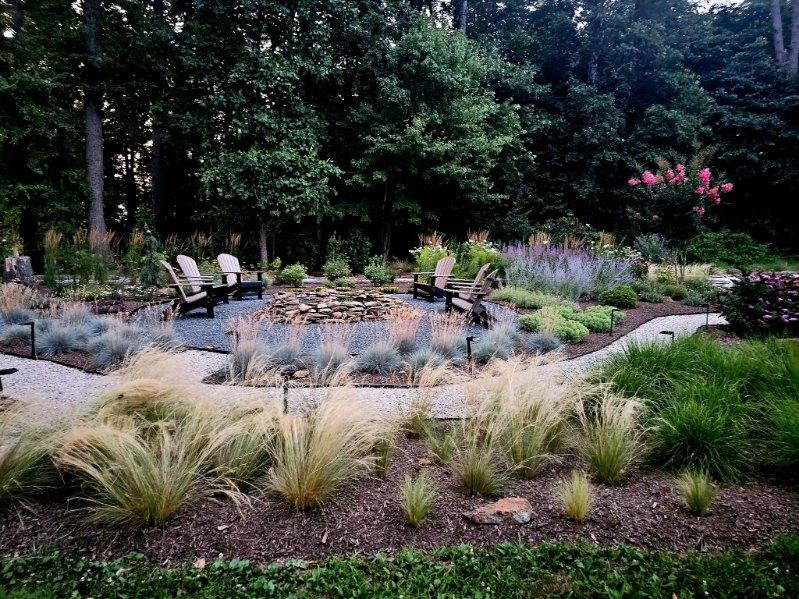
Your yard looks rough after winter. Dead leaves stuck in the beds, mulch washed away, and you’re not sure what’s dormant versus actually dead. You know spring is when you’re supposed to “do yard stuff,” but what exactly? And when?
Here’s what makes spring tricky in Maryland: the window is short. One week it’s 40 degrees, the next week it’s 75 and everything’s budding out. Miss the right timing for pruning certain plants, and you lose a year of blooms. Skip soil prep now, and your beds struggle all summer. Wait too long to mulch, and the weeds beat you to it.
I’ve been doing landscape work in Harford and Baltimore Counties for years, and spring is when I get the most panicked calls. Homeowners realize they’re behind, they’re not sure what’s urgent versus what can wait, and they don’t want to mess up their expensive plants by doing the wrong thing at the wrong time.
Here’s what your Maryland landscape actually needs between March and May—and what happens if you skip it. Whether you handle it yourself or bring in a crew, you’ll know what matters and why.
Why Spring Maintenance Matters in Maryland (Especially Harford & Baltimore Counties)
Maryland’s spring weather is unpredictable, but your landscape’s growth cycle isn’t. The work you do (or don’t do) between late March and early June determines how your property looks and performs all year.
Most of Harford and Baltimore Counties fall into growing zones 7a and 7b. Our last frost typically hits around mid-April, sometimes earlier in a warm year. That gives you maybe six to eight weeks to get everything done before summer heat arrives and plants are in full growth mode.
The soil around here doesn’t make things easier. We’ve got heavy clay in most areas, which means drainage issues and soil that’s slow to warm up in spring. Add in our humidity, and you’ve got perfect conditions for fungal problems if you don’t get air circulation and mulching right.
Spring prep isn’t about making your yard look nice for one season. It’s about preventing problems that compound. Weeds you let go to seed in May become thousands of weeds in June. Plants that don’t get proper soil prep struggle with our summer heat and drought stress. Drainage issues you ignore in April mean dead plants by August.
The landscape work you do right now—in this short spring window—sets up whether you’re maintaining a healthy property all year or constantly fighting problems.
The Complete Spring Landscape Maintenance Checklist for Maryland
Tackle these tasks in order, starting in late March and wrapping up by late May. Some take an hour. Others are weekend projects. A few need professional knowledge or equipment. But every one matters.
1. Early Spring (Late March – Early April): Assess and Clean Up
Before anything starts growing, walk your property and remove what winter left behind. This isn’t glamorous work, but it’s important.
Pull out fallen branches, leftover leaves that didn’t get cleaned up in fall, and any debris that’s collected in beds. Leaves that sit wet against plant crowns invite rot and disease. Dead branches harbor pests.
Check for winter damage while you’re at it. Look for split branches from ice or snow load. Check if any plants got heaved out of the ground by freeze-thaw cycles—their roots will be exposed. If you’re near a driveway or road, look for brown, crispy foliage on evergreens—that’s salt damage, and those branches won’t recover.
Walk around after a good rain and note where water pools or runs. Spring is when you’ll see drainage problems most clearly. Standing water means compacted soil, poor grading, or blocked drainage paths. Mark these spots. You’ll need to address them before planting anything new.
Take notes on what didn’t make it through winter. Some plants are just dormant and will break buds late. Others are dead. If you’re not sure, scratch the bark lightly with your thumbnail. Green underneath means alive. Brown and dry means dead.
Check your mulch depth while you’re out there. It should be two to three inches. If it’s thin, decomposed to almost nothing, or washed away, plan to refresh it soon.
Why it matters: Debris traps moisture against plant crowns and creates perfect conditions for disease. Catching damage early means you can prune correctly or plan replacements before the growing season starts. Knowing where water sits means you can fix it before you lose plants.
DIY or pro?
- ✅ DIY-friendly: Debris removal, visual inspection, marking problem areas
- ⚠️ Consider a pro: Telling the difference between disease and dormancy, designing drainage solutions, dealing with large branches or tree damage
2. Mid-Spring (Early to Mid-April): Soil Prep and Mulching
Healthy soil equals healthy plants. Spring is when you feed the soil and protect roots for the season ahead.
Start with the soil itself. If you’ve never had your soil tested, early spring is the time. University of Maryland Extension offers testing for around $20. You mail in a sample, and they’ll tell you your pH, nutrient levels, and what amendments you need.
This matters more than you’d think. Maryland’s clay soils tend to be compacted and poorly drained. They’re often low in organic matter. You can throw expensive plants in the ground, but if the soil can’t support them, you’re wasting money.
Based on your test results (or just as general good practice), work compost or aged organic matter into your beds. This improves drainage in clay soils, adds nutrients slowly over time, and gives plant roots a better environment. You don’t need to till everything—just work a couple inches of compost into the top layer where you’re planting.
Once soil is prepped, apply fresh mulch. Use hardwood or shredded bark, not the bright red or black dyed stuff. Lay it two to three inches deep, but keep it pulled back a few inches from plant stems and tree trunks. Mulch piled against bark invites rot and provides cover for rodents to chew.
Edge your beds cleanly while you’re mulching. A clean edge defines the space, keeps mulch from migrating into the lawn, and makes everything look intentional and maintained.
If you use pre-emergent weed control, early April is your window in Maryland. Pre-emergent works by stopping weed seeds from germinating, but it has to go down before soil temperatures hit the point where seeds sprout. Miss the window and it’s useless.
Why it matters: Mulch regulates soil temperature, holds moisture during dry spells, and suppresses weeds by blocking light. Skipping it means you’ll water more, weed more, and stress plants more all summer. Soil amendments improve drainage and root health—critical in our heavy clay.
DIY or pro?
- ✅ DIY-friendly: Mulching, edging, spreading compost on small beds
- ⚠️ Consider a pro: Soil testing and interpreting results, amending problem soils, larger properties where mulching is a multi-day project
3. Mid-Spring (Mid-April): Pruning and Plant Care
Prune at the wrong time, and you lose blooms or weaken the plant. Maryland’s spring timing is specific.
Here’s the rule most homeowners don’t know: prune spring-blooming plants (azaleas, forsythia, lilac) right after they flower, not before. Those plants set their flower buds in late summer for next spring. If you prune them now, you’re cutting off this year’s flowers.
What you should prune in mid-April: summer-blooming shrubs like butterfly bush, roses, and crape myrtle if you have it. These bloom on new growth, so pruning now encourages strong stems and more flowers later.
For all plants, remove deadwood, crossed branches, and anything damaged over winter. Crossed branches rub and create wounds where disease enters. Deadwood is just wasted energy for the plant.
Cut back ornamental grasses if you didn’t do it in late winter. Cut them down to about four to six inches. New growth will come up through the stubble.
Spring is also the time to divide and relocate perennials that have gotten too big or are in the wrong spot. Do this before they put on serious growth. Dig them up, split the root mass, and replant. Water well.
Why it matters: Pruning at the right time encourages healthy growth and maximizes blooms. Prune spring bloomers now, and you get no flowers this year—just green shrubs. Remove deadwood and you reduce pest and disease pressure.
DIY or pro?
- ✅ DIY-friendly: Light shrub pruning, cutting back grasses, dividing small perennials
- ⚠️ Consider a pro: Tree pruning (requires safety equipment and knowledge of proper cuts), shaping large shrubs, diagnosing why a plant looks unhealthy
For a complete breakdown of what to prune when throughout the year, check out our year-round maintenance guide for Harford County landscapes.
4. Late Spring (Late April – May): Planting and Fertilizing
Once the danger of frost passes—usually after April 15 in Harford County—it’s safe to plant and feed.
This is the best planting window in Maryland. Soil is warming up, but summer heat hasn’t arrived yet. That gives new plants months to establish roots before they have to deal with July and August stress.
Plant new perennials, shrubs, and trees now. Dig holes twice as wide as the root ball but no deeper. Backfill with the native soil you removed (amended with compost if your soil is poor). Water deeply at planting and keep new plants consistently moist for the first few weeks.
Fertilize established beds if needed. I prefer organic slow-release fertilizers. They feed plants gradually and improve soil health over time, unlike synthetic fertilizers that give a quick burst and then disappear. If you had a soil test done, follow its recommendations. If not, a balanced organic fertilizer is safe for most landscapes.
Feed trees and shrubs if they showed signs of deficiency—yellowing leaves, poor growth, sparse foliage. Otherwise, they often don’t need annual feeding if your soil is decent.
Refresh container plantings and add seasonal color. Annuals for porch pots, window boxes, and front entry planters can go in now. Petunias, geraniums, begonias—they’ll give you color from now through fall.
If you have an irrigation system, test it now. Run each zone and check for leaks, broken heads, and coverage gaps. Adjust spray patterns and timing for spring moisture levels—you’ll need less water now than you will in July.
Why it matters: Spring planting gives roots time to establish before heat stress hits. Fertilizing now fuels the growing season without forcing weak, leggy growth the way late-season feeding can. Catching irrigation problems early means you don’t lose plants to drought later.
DIY or pro?
- ✅ DIY-friendly: Planting small perennials and annuals, container refresh, basic fertilizing
- ⚠️ Consider a pro: Installing mature trees or large shrubs (requires equipment and proper technique), troubleshooting and repairing irrigation systems, designing and installing large bed plantings
5. Ongoing Through Spring: Weeding and Pest Monitoring
A little attention now prevents major problems in June.
Weed every week if you can, or at least every other week. Pull weeds when they’re small, before they set seed. Spring soil is moist and loose—weeds pull easily now. Wait until summer when soil is hard and weeds are established, and it’s five times the work.
Focus on getting the whole root. If you snap off the top and leave the root, many weeds just regrow. A hori-hori knife or dandelion weeder makes this easier.
Keep an eye out for pests on new growth. Aphids cluster on fresh shoots. Spider mites show up as stippling on leaves. Scale looks like little bumps on stems. Catching them early means you can often just spray them off with water or prune out affected growth. Wait until there’s a full infestation, and you’re looking at pesticides or serious damage.
Watch for disease too. Fungal issues start in wet spring weather. Powdery mildew, black spot on roses, leaf spot on various plants—these show up when humidity is high and air circulation is poor. Space plants properly, avoid overhead watering, and remove affected leaves when you see them.
Deadhead spring bulbs after they finish blooming. Cut off the spent flowers, but let the foliage die back naturally. The leaves are recharging the bulb for next year. It looks messy for a few weeks, but cutting foliage too early means weak or no blooms next spring.
Why it matters: Weeds are easier to pull when soil is moist and they’re small. One weed that goes to seed becomes hundreds of weeds. Pests caught early are easy to manage without chemicals. Diseases caught early don’t spread through your whole landscape.
DIY or pro?
- ✅ DIY-friendly: Weekly weeding, visual pest checks, deadheading
- ⚠️ Consider a pro: Disease diagnosis and treatment, pest identification and management plans, larger properties where weekly maintenance isn’t realistic
What Happens If You Skip Spring Maintenance?
Skipping spring work doesn’t just mean a messier yard. It creates compounding problems that cost more time and money to fix later.
Weeds you ignore in April and May set seed by June. One dandelion becomes fifty. One patch of crabgrass becomes a lawn full of it. By mid-summer, you’re spending every weekend weeding instead of enjoying your yard.
Skip mulching, and your soil dries out faster. You’ll water twice as much and still watch plants wilt. Weeds move in where mulch should be. By July, your beds look tired and you’re fighting a losing battle.
Prune at the wrong time—or don’t prune at all—and you get weak, leggy growth, crossed branches that rub and create disease entry points, and plants that don’t bloom the way they should. Shrubs get overgrown and misshapen. You lose the structure and beauty you paid for when you installed them.
Ignore drainage issues, and you’ll lose plants by mid-summer. Roots sitting in waterlogged soil rot. You’ll think you have a watering problem when you actually have a drainage problem, and you’ll keep replacing plants without fixing the real issue.
Pest and disease problems you miss in spring spread. By the time you notice, they’ve moved through multiple plants. Treatment is harder, more expensive, and often less effective. Some diseases can’t be cured, only managed—and management works best when you catch it early.
I get calls every June and July from homeowners in crisis mode. The yard’s a mess, plants are dying, and they don’t know what happened. What happened is they skipped spring. There’s no magic fix at that point—just damage control and a plan to do better next year.
DIY vs. Professional Spring Maintenance: How to Decide
Some tasks are easy weekend projects. Others require knowledge, tools, or time most homeowners don’t have. Here’s how to decide what makes sense for you.
Good candidates for DIY:
- Debris cleanup and raking
- Mulch application on small to mid-size properties (under a quarter acre)
- Weeding and light edging
- Planting small perennials or annuals
- Deadheading and basic grooming
- Fertilizing established beds (if you know what to use)
These don’t require special knowledge or equipment. If you’ve got a free Saturday and you don’t mind physical work, go for it.
Where pros add real value:
- Soil testing and customized amendments. We know how to read the results and what your specific soil needs. Generic fertilizer might help. Targeted amendments based on actual deficiencies fix problems.
- Tree and large shrub pruning. This requires knowledge of proper cuts, timing for different species, and safety equipment. A bad pruning job weakens a tree for years. A fall from a ladder ends your weekend permanently.
- Drainage evaluation and solutions. Homeowners see standing water. We see grading issues, compacted soil, or blocked drainage that needs rerouting. Fixing it right requires experience.
- Landscape-wide planning. Knowing what to plant where, which plants actually thrive in Maryland’s clay soil and humidity, what spacing prevents disease—that’s not intuitive. It comes from years of seeing what works and what fails.
- Time on larger properties. A crew can do in one day what takes you three weekends. If your property is over a quarter acre, the math usually favors hiring it out.
Not sure where to start or what your landscape actually needs? Schedule a walkthrough. Call (443) 794-8108 and we’ll assess what makes sense.
Frequently Asked Questions About Spring Landscape Maintenance in Maryland
Quick answers to the most common spring landscape questions we hear from Harford and Baltimore County homeowners.
When should I start spring yard work in Maryland?
Late March for cleanup and assessment. Mid-April for pruning and planting, once the risk of hard frost passes. Our last frost date is typically around April 15, but it varies year to year.
If you start too early and plant tender perennials or annuals, a late frost can kill them. If you wait too late, you miss the ideal planting window before heat arrives.
What’s the best mulch for Maryland landscapes?
Hardwood or shredded bark, applied two to three inches deep. Avoid dyed mulch—the dyes can leach into soil, and the wood used is often low quality.
Natural mulch breaks down over time and adds organic matter to your soil. That’s a feature, not a bug. Plan to refresh it every year or two as it decomposes.
Can I prune my azaleas in spring?
Only after they bloom. Azaleas, forsythia, lilacs, and other spring bloomers set their flower buds in late summer for the following spring. If you prune them before they flower, you’re cutting off this year’s blooms.
Prune them right after flowers fade, and you’ll get a full show next year.
Do I need to fertilize in spring?
Depends on your soil and plant health. If you had a soil test done and it shows deficiencies, yes—amend based on the results. If your plants look healthy and vigorous, they might not need feeding.
When in doubt, use a slow-release organic fertilizer. It won’t burn plants or cause the leggy, weak growth that over-fertilizing with synthetics can.
How often should I mulch?
Most landscapes need fresh mulch every year. If your mulch has decomposed to less than two inches, or if it’s washed away or faded, it’s time to refresh.
You don’t need to remove old mulch first unless it’s gotten really thick or matted. Just top-dress with a fresh layer to bring it back to two to three inches total.
What if I missed the spring window?
Some tasks—weeding, mulching, watering—still help even if you’re late. Others, like pruning spring bloomers or planting before heat, are better delayed to fall.
If it’s June and you’re just getting around to thinking about this, call a pro. We can assess what’s still worth doing now versus what should wait for fall planting season.
Get Your Maryland Landscape Ready for Spring
Spring in Harford and Baltimore Counties is short and unpredictable. But the work you do now—cleaning up, prepping soil, pruning at the right time, mulching, planting—sets your landscape up to look good and stay healthy all year.
You can handle some of this yourself if you’ve got the time and you know what you’re doing. But if your property is large, if you’re not sure what’s wrong with struggling plants, or if you just don’t want to spend your weekends pulling weeds and spreading mulch, a professional spring maintenance plan takes it all off your plate.
Call (443) 794-8108 or email eric@oakfieldlandscaping.com to schedule a walkthrough and get started.