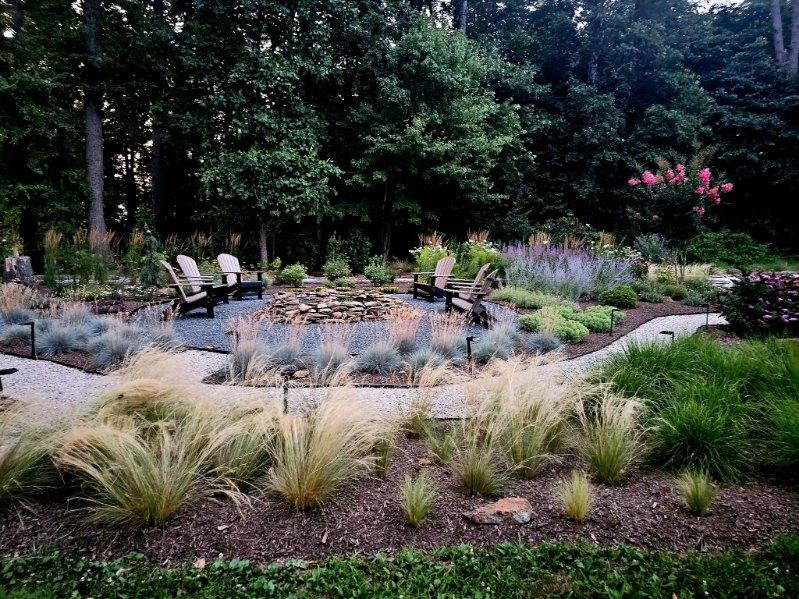
You want a yard that looks great, supports local wildlife, and doesn’t require constant watering, fertilizing, or replanting every spring. But most landscaping advice focuses on plants that don’t thrive in Maryland’s clay soil, humid summers, and freeze-thaw winters.
You’ve tried boxwoods that turned brown by July. Hostas that deer devoured overnight. Ornamental grasses that died after one winter. Meanwhile, your neighbor’s yard — full of native plants — stays green through August, blooms from April to October, and requires almost no upkeep.
Here’s the difference: Native plants are adapted to Maryland’s climate, soil, and wildlife. When designed and installed correctly, they create low-maintenance, four-season landscapes that actually get better with age.
In this guide, we’ll show you which native plants thrive in Harford County — and how to plan a native landscape that fits your property. At Oakfield Landscaping, we specialize in native plant design and installation, sourcing specialty varieties you won’t find at big-box stores. We design landscapes that mature beautifully over time, not just look good on day one.
Why Native Plants Work So Well in Maryland Landscapes
Native plants evolved in Maryland’s climate. They handle our heavy clay soil, tolerate both drought and humidity, resist local pests, and support pollinators — all while requiring less water, fertilizer, and maintenance than non-native alternatives.
When we talk about “native plants,” we mean species that naturally occur in the Mid-Atlantic region. These plants have been here for thousands of years, adapting to our specific conditions.
Here’s why they thrive: Deep root systems reach water that shallow-rooted plants can’t access. They’re adapted to Maryland’s rainfall patterns, so they handle our wet springs and dry Augusts. They’re resilient to temperature swings — from single-digit winters to 95-degree summers.
The environmental benefits are real. Native plants support pollinators, birds, and beneficial insects that non-native plants can’t. A white oak supports over 500 species of moths and butterflies. A Bradford pear? Almost none.
They reduce stormwater runoff because those deep roots absorb more water. They don’t need chemical fertilizers that wash into the Chesapeake Bay watershed.
But here’s what matters most to you as a homeowner: Native plants require less watering once established. They have fewer pest problems because they’ve evolved alongside local insects and diseases. They live longer — a white oak can live 300 years, while a Bradford pear might make it 20.
They provide better seasonal interest. You get spring blooms, summer foliage, fall color, and winter structure. Non-native plants often look good for six weeks, then fade into the background.
I’ve installed landscapes in Bel Air and Abingdon using primarily native plants. Three years later, those properties look better than the day we finished — fuller, healthier, more established. The homeowners spend less time maintaining them and more time enjoying them.
Best Native Plants for Harford County Yards (By Type)
Not all native plants work in every yard. The best choices depend on sun exposure, soil drainage, and your design goals. Here’s a breakdown by plant type — trees, shrubs, perennials, and grasses — with specific recommendations for Harford County properties.
Native Trees for Shade, Structure & Privacy
Trees frame your property, provide shade, and create privacy over time. Choose the right species and you’ll have structure that lasts decades.
White Oak (Quercus alba) is the gold standard. It’s long-lived, provides beautiful fall color, and supports more wildlife than almost any other tree. It grows well in Harford County’s clay soil and handles both wet springs and dry summers.
Red Maple (Acer rubrum) grows faster than oak and gives you brilliant red fall color. It tolerates both wet and dry soils, which makes it perfect for properties with drainage issues. I’ve planted Red Maples in areas where nothing else would grow, and they thrived.
Tulip Poplar (Liriodendron tulipifera) is your best choice for fast screening. It grows tall and straight, fills in quickly, and produces unique tulip-shaped flowers in spring. Great for backyard privacy.
River Birch (Betula nigra) has exfoliating bark that adds winter interest. It tolerates clay soil and wet areas better than almost any other tree. Plant it near downspouts or low spots where water collects.
Eastern Redbud (Cercis canadensis) is an understory tree perfect for small yards or layered plantings. It blooms bright pink in early spring before most other plants wake up. It’s also one of the first nectar sources for pollinators emerging in March.
At Oakfield, we install mature specimens for immediate impact. You don’t have to wait 10 years for your tree to look like a tree.
Native Shrubs for Borders, Foundation Planting & Year-Round Interest
Shrubs provide structure, seasonal color, and low-maintenance screening. They’re the backbone of any landscape design.
Inkberry Holly (Ilex glabra) is the native alternative to boxwood. It’s evergreen, compact, and doesn’t get the blight that’s killing boxwoods across Maryland. It holds its shape naturally with minimal pruning.
Winterberry Holly (Ilex verticillata) is deciduous but produces bright red berries in winter that last through January. Birds love them. It’s stunning against snow and provides color when everything else is dormant.
Spicebush (Lindera benzoin) has fragrant foliage and early spring blooms. It’s the host plant for Spicebush Swallowtail butterflies, so if you want butterflies in your yard, plant this. It also tolerates shade better than most shrubs.
Arrowwood Viburnum (Viburnum dentatum) gives you white blooms in spring, blue-black berries in summer, and fall color. It’s adaptable to sun or part shade and fills in naturally over 2–3 seasons.
Bayberry (Myrica pensylvanica) is fragrant, salt-tolerant, and semi-evergreen. It’s perfect for foundation plantings or mixed borders. The berries attract birds in winter.
These shrubs require minimal pruning. They fill in naturally and don’t need constant shaping like non-native alternatives.
Native Perennials for Color, Pollinator Support & Garden Beds
Perennials provide seasonal blooms, pollinator habitat, and layers in garden beds. They’re where you get your color and movement.
Black-Eyed Susan (Rudbeckia hirta) is Maryland’s state flower for good reason. Bright yellow blooms from July through September, drought-tolerant, and it self-sows so you get more plants every year.
Purple Coneflower (Echinacea purpurea) has a long bloom period and supports goldfinches. They eat the seeds in fall and winter. It’s also one of the few perennials that actually looks good going dormant — the seed heads add winter structure.
Joe Pye Weed (Eutrochium purpureum) is tall (5–7 feet) with pink blooms that attract butterflies by the dozen. It’s perfect for the back of garden beds or naturalized areas. Despite the name, it’s not a weed — it’s a showstopper.
Wild Geranium (Geranium maculatum) is shade-tolerant with spring blooms. It fills in quickly and works well under trees where grass won’t grow.
Butterfly Weed (Asclepias tuberosa) is bright orange and essential for monarch butterflies. It’s drought-tolerant once established and blooms through the hottest part of summer when other plants fade.
Solomon’s Seal (Polygonatum biflorum) is a shade perennial with arching stems and white bell flowers. It spreads slowly to form a colony and works beautifully in woodland gardens.
Design tip: Layer perennials by height and bloom time. Put tall plants like Joe Pye Weed in back, mid-height plants like Purple Coneflower in the middle, and low growers like Wild Geranium in front. Plan for continuous color from April through October.
Native Grasses for Texture, Movement & Low Maintenance
Grasses add movement, texture, and four-season structure with almost no care. They look best in masses, not single specimens.
Little Bluestem (Schizachyrium scoparium) is blue-green in summer and turns copper-red in fall. It holds its color through winter and provides seed for birds. It’s perfect for sunny borders or naturalized areas.
Switchgrass (Panicum virgatum) grows upright with airy seed heads. It’s excellent for slopes because the roots prevent erosion. It also handles a wide range of soil conditions from wet to dry.
Pennsylvania Sedge (Carex pensylvanica) is a lawn alternative for shade. It spreads naturally, stays short (6–8 inches), and never needs mowing. Plant it under trees where grass struggles.
I’ve installed Little Bluestem in drifts along property lines. The movement in the wind is beautiful, and it looks better in January than most plants do in July.
Where to Plant Native Plants on Your Harford County Property
The right plant in the right place means less work and better results. Here’s how to match native plants to different areas of your yard.
Front Yard Foundation Planting
Replace tired boxwoods with Inkberry Holly. It’s evergreen, low-maintenance, and won’t get boxwood blight.
Use Eastern Redbud or Serviceberry as accent trees near the front entrance. Both bloom early and add spring color without overwhelming the space.
Layer perennials like Wild Geranium and Black-Eyed Susan in front of shrubs for seasonal color. This creates depth and keeps your front yard interesting April through October.
We’ve done dozens of foundation renovations in Bel Air replacing old, overgrown plantings with native alternatives. The curb appeal transformation is immediate, and the maintenance drops by half.
Backyard Privacy Screening
Plant River Birch, Tulip Poplar, or Red Maple in rows or clusters along property lines. Space them based on mature width so they fill in naturally without crowding.
Underplant with Spicebush or Arrowwood Viburnum for layered screening. This gives you privacy at eye level while the trees mature overhead.
For faster results, we can install larger caliper trees (3–4 inch diameter). You get instant privacy instead of waiting years.
Garden Beds & Pollinator Areas
Design mixed perennial beds with Purple Coneflower, Butterfly Weed, and Joe Pye Weed. Add Little Bluestem for texture and movement.
Group plants in odd numbers (3, 5, 7) for a natural look. Mass the same species together rather than scattering single plants throughout the bed.
Leave seed heads standing through winter for birds and visual interest. You can cut them back in early spring before new growth starts.
I’ve designed pollinator gardens in Abingdon that bloom continuously from April through October. Homeowners tell me they’ve never seen so many butterflies and bees.
Slopes, Wet Areas & Problem Spots
Switchgrass controls erosion on slopes. The roots hold soil in place while the foliage breaks up water flow.
River Birch and Winterberry Holly thrive in low-lying wet spots where other plants drown. They actually prefer consistent moisture.
Pennsylvania Sedge works as a no-mow ground cover under trees. It spreads naturally and stays green in shade where grass turns thin and patchy.
Not sure where to start? Oakfield evaluates your property’s sun, soil, and drainage — then designs a native landscape tailored to your goals. Call (443) 794-8108 to schedule a site evaluation.
What Makes a Native Plant Landscape Successful (It’s Not Just the Plants)
Choosing the right plants is step one. But a successful native landscape also depends on design, soil prep, placement, and timing.
Design coherence matters. Native plants should look intentional, not random. We group plants by bloom time, height, and texture to create cohesive compositions that mature together.
A common mistake is treating native plants like wildflowers and just scattering them around. That looks messy. Instead, we design structured beds with clear edges and deliberate plant groupings.
Soil preparation makes a difference even for native plants. Yes, they’re adapted to Maryland soil — but that doesn’t mean they don’t benefit from proper planting. We amend clay soil where needed and ensure drainage is adequate.
Spacing for maturity is critical. Don’t overcrowd. We design for how plants will look in 3–5 years, not day one. It might look sparse initially, but patience pays off. A landscape that’s overcrowded at installation will look terrible in three years when everything grows together.
Seasonal interest requires planning. We select plants for spring blooms, summer foliage, fall color, and winter structure. A well-designed native landscape has something interesting happening every month of the year.
Plant sourcing affects long-term success. Oakfield sources specialty native varieties from regional growers — not the same limited selection at Home Depot. We get better genetics, healthier root systems, and longer-lived plants.
Big-box stores often sell cultivars or hybrids labeled “native” that don’t support pollinators the same way straight species do. We source plants that actually deliver the ecological benefits native landscapes are known for.
Common Mistakes Homeowners Make with Native Landscaping (And How to Avoid Them)
Native plants are forgiving — but they’re not foolproof. Here are the most common mistakes and how to get it right.
Planting sun-lovers in shade (or vice versa). Joe Pye Weed needs full sun. It’ll survive in shade but won’t bloom. Wild Geranium thrives in shade but gets leggy in full sun. Always check plant tags and match the plant to the site conditions.
Expecting instant results. Native landscapes mature over 2–3 seasons. First year they sleep, second year they creep, third year they leap. Be patient. By year three, you’ll have a full, established landscape that gets better every year.
Ignoring soil drainage. Even native plants can drown in poorly drained clay. If water stands for more than 24 hours after rain, you have a drainage problem. We test drainage before planting and adjust the design accordingly.
Buying the wrong varieties. Not all “Purple Coneflower” is created equal. Hybrids don’t support pollinators the same way straight species do. Some don’t produce viable seed. We source straight species that deliver the ecological benefits you’re looking for.
Skipping mulch and watering in year one. Even drought-tolerant natives need water while establishing roots. We mulch beds to retain moisture and provide a watering schedule for the first growing season. After that, they’re self-sufficient.
Another mistake: cutting back perennials too early in spring. Leave seed heads standing until you see new growth emerging at the base. Birds rely on those seeds through winter.
Oakfield helps homeowners avoid these pitfalls. We match plants to site conditions, design for long-term maturity, and provide clear maintenance guidance so your landscape thrives from day one.
How Oakfield Designs & Installs Native Landscapes in Harford County
We don’t just drop plants in the ground. Every native landscape we design is built to mature beautifully, support local wildlife, and require less maintenance year after year.
Here’s our process:
Site evaluation. We assess sun exposure, soil type, drainage, and your goals. Do you want privacy? Curb appeal? Pollinator support? Low maintenance? We design based on what you want and what your property can support.
We walk the property with you. We look at where water flows, where sun hits different times of day, and how you actually use your outdoor space. We don’t design from photos — we design from experience on your property.
Custom design. We select native plants based on your property’s conditions and design for four-season interest. You get a landscape that looks good in April, July, October, and January.
We layer plants by height and texture. We plan for bloom sequences so something’s always happening. We create focal points and flow that guide your eye through the space.
Specialty sourcing. We source from regional growers who specialize in native plants — varieties you won’t find at big-box stores. Better genetics mean healthier plants that live longer and perform better.
We’ve built relationships with growers who propagate from local seed sources. These plants are truly adapted to Maryland conditions, not generic natives grown in Oregon and shipped cross-country.
Professional installation. Proper spacing, soil prep, and planting depth so plants establish quickly. We dig holes twice the width of the root ball. We amend soil where needed. We mulch properly and stake trees correctly.
Details matter. A plant installed at the wrong depth or in poorly prepared soil won’t thrive no matter how “native” it is.
Post-installation care plan. We provide a maintenance guide and offer seasonal care programs to keep your landscape thriving. First-year watering. When to cut back perennials. How to mulch correctly. We don’t just install and disappear.
What makes Oakfield different: We’re a design-build company. One team from concept to completion. Eric is personally involved in every project. We’re not a maintenance company that dabbles in design or a designer who hands off installation to subcontractors.
We design landscapes built to mature over time, not just look good on installation day. I want your landscape to look better in five years than it does today. That requires a different approach to plant selection, spacing, and installation technique.
Ready to explore a native landscape for your property? Call (443) 794-8108 or email eric@oakfieldlandscaping.com to schedule your consultation.
Frequently Asked Questions About Native Plants in Maryland
Here are the most common questions we hear from Harford County homeowners considering native landscaping.
Are native plants more expensive than traditional landscaping?
Upfront cost can be similar or slightly higher because we source from specialty growers, not big-box stores. But long-term cost is significantly lower.
You’ll spend less on water. Less on fertilizer and pesticides. Less on replacement plants because natives live longer. You’ll also spend less time maintaining your landscape, which is worth something.
One homeowner told me their water bill dropped 30% after we replaced their thirsty non-native perennials with drought-tolerant natives. The landscape pays for itself over time.
Do native plants look “wild” or messy?
Not when designed intentionally. Oakfield creates structured, cohesive native landscapes that look polished and mature beautifully.
The “wild” look comes from poor design, not native plants. We use clean edges, deliberate plant groupings, and structured layouts. The result is a professional landscape that happens to use native plants.
I’ve installed native landscapes in some of the nicest neighborhoods in Bel Air. They look as refined as any traditional landscape — but they perform better and require less work.
Will native plants attract more bugs or wildlife?
Yes — beneficial insects, pollinators, and birds. That’s one of the benefits. But they won’t attract more pests.
In fact, native plants tend to have fewer pest problems. They’ve evolved alongside local insects and diseases, so they’re naturally more resistant.
You might see more butterflies, bees, and songbirds. If that’s not what you want, native landscaping might not be for you. But most homeowners love seeing their yards come alive with wildlife.
Can I mix native plants with non-native plants I already have?
Absolutely. We often blend natives into existing landscapes during renovations. You don’t have to rip everything out and start over.
We might replace struggling boxwoods with Inkberry Holly but keep your existing Red Maple. We might add native perennials to your existing garden beds.
The goal is to improve your landscape over time, not force a complete overhaul on day one.
How long does it take for a native landscape to look “full”?
Most native landscapes fill in within 2–3 growing seasons. Trees take longer but provide structure immediately if we install mature specimens.
Perennials spread and fill in quickly. Shrubs take 2–3 years to reach mature size. Trees provide height and presence right away but continue growing for decades.
By year three, you’ll have a full, established landscape. By year five, it’ll look like it’s been there forever.
Do I need to water native plants?
During the first year, yes — while roots establish. We provide a watering schedule based on your specific plants and site conditions.
After that, most native plants are drought-tolerant and require little to no supplemental watering. They might wilt slightly during extreme drought but bounce back with rain.
The deep root systems native plants develop allow them to access water that shallow-rooted plants can’t reach. That’s why they handle Maryland’s dry summers better than non-natives.
Make the Switch to Native Plants in Your Harford County Landscape
Native plants aren’t just environmentally friendly — they’re the smartest choice for Maryland homeowners who want a beautiful, low-maintenance landscape that gets better with age.
Here’s what you need to remember: Native plants are adapted to Harford County’s soil, climate, and wildlife. They evolved here. They thrive here.
They require less water, fertilizer, and maintenance than non-native alternatives. They live longer. They support pollinators and birds. They provide four-season interest.
But the right design makes all the difference. Placement, spacing, and sourcing matter. You can’t just scatter native plants around and expect great results.
That’s where Oakfield comes in. We specialize in native plant landscapes built to mature beautifully over time. We source specialty varieties from regional growers. We design for long-term performance, not short-term appearance.
We evaluate your property’s sun exposure, soil type, and drainage. We design a landscape tailored to your goals — whether that’s curb appeal, privacy, pollinator support, or just less time spent maintaining your yard.
We install it correctly the first time. Proper spacing, soil prep, and planting depth. We provide a maintenance plan so you know exactly what to do (and what not to do) to keep your landscape thriving.
Three years from now, your landscape will look better than the day we installed it. Five years from now, it’ll look like it’s been there forever. That’s the difference between a landscape designed to mature and one designed for instant gratification.
Want a native landscape designed for your Harford County property? Oakfield Landscaping sources specialty native plants and designs landscapes that thrive for decades.
Call (443) 794-8108 or email eric@oakfieldlandscaping.com to schedule your consultation.
Chances are, you’re not looking to go to the big box stores and purchase an array of the generic plants available and plant them all over your large property. We know an interesting landscape requires a vast selection of greenery, so check out our complete guide to luxury and estate landscaping to make your larger space feel natural.